How to Break in Shoes: Tips for Stretching New Boots & Sneakers
Updated on:
Purchasing a new pair of shoes is always a great feeling. However, the initial excitement often fades when the reality of breaking in the shoes sets in. This can often be daunting, with the fear of blisters and sore feet putting many off from wearing their new purchases.
Fortunately, breaking in shoes doesn’t have to be painful. With the right approach, you can avoid unnecessary discomfort and extend the life of your new footwear.
Our comprehensive guide will give you all the tips and tricks for how to break in shoes and care for your feet.
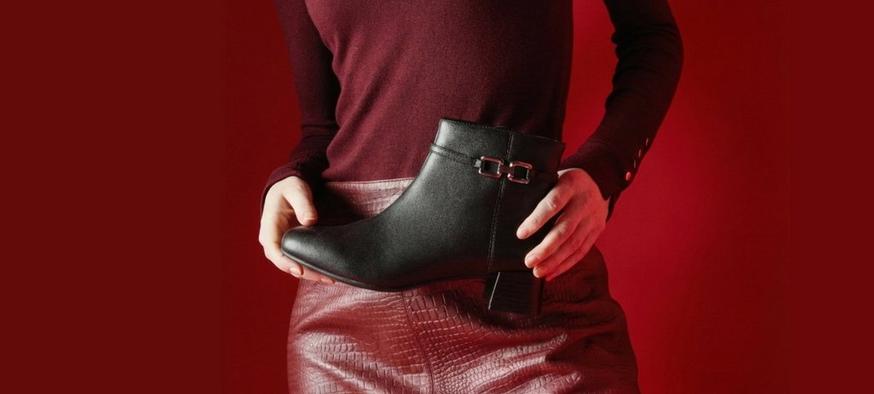
Why Breaking in Shoes Matters
So, you’ve bought yourself a brand-new pair of shoes, only to find they’re a bit uncomfortable to wear. Don’t panic! This doesn’t necessarily mean they are the wrong size; it’s likely you just need to break them in.
Breaking in shoes is vital for both comfort and foot health. New sneakers and boots can often be stiff until the materials soften and start to mold to your feet. This initial period of wearing your shoes can result in mild pain and discomfort, but it’s important to ride the wave.
Properly breaking in shoes can also extend their lifespan. A careful, patient breaking-in process helps to preserve the shoe’s structure and provide long-lasting support.
How to Know if Your Shoes Need Breaking In
Luckily, there are some telltale signs that your new shoes might need to be stretched and broken in. Let’s take a look at the most common.
Stiffness: If the shoe resists bending at the ball of your foot and there is no give, it likely needs some time to loosen up and mold to your feet.
Discomfort: Heel rubbing, toe pressure, or tightness are also signs that your shoes haven’t yet adapted to your feet.
Loose fit: If your heel is slightly slipping, it doesn’t necessarily mean you have the wrong size, but that the shoes haven’t molded to your feet yet.
Don’t worry if it takes some time for your shoes to feel comfortable; breaking them in gradually is the right approach.
General Tips for Breaking in New Shoes
Ready to hit the streets in your new boots or sneakers? Discover how to break in shoes with these top tips.
Ensure you have the right size: Shoes that are too tight or loose will never fit comfortably, no matter how much you try to break them in. Measure your feet accurately and consult our size guide.
Break shoes in slowly: Start by wearing your new shoes for short periods around the house. This allows the material to gradually adjust to the shape of your feet. Begin with 20-minute sessions and slowly increase the duration as the shoes become more comfortable.
Wear thick socks: Thick socks can help stretch your shoes and provide extra cushioning to protect your feet from blisters.
Lace up securely: When breaking in shoes, it might be tempting to keep the laces loose to give your feet more room. However, tying them securely can help stretch the fabric and speed up the breaking-in process.
Protect against blisters: To prevent blisters, especially in areas where the shoes might rub more (like the back of the heel or the sides of your toes), consider applying petroleum jelly or wearing blister pads.
Alternate between footwear: Switching between your new shoes and a comfortable pair allows your feet to rest and recover. If you plan to wear your new shoes for extended periods of time, carry a spare pair of well-worn shoes with you as a backup.
Patience is key: Breaking in shoes takes time, and rushing the process can lead to discomfort and damage to both your feet and new shoes.
If you’ve followed this advice and your shoes are still not quite right, maybe it’s time to consider that you have the wrong size. You can find out how to tell if your shoes are the right size here.
Read more: How to measure feet for shoes
Breaking in Different Types of Shoes
How you break in shoes depends on the type of shoes and the materials used. Here, we provide you with three simple steps to follow for each type.
Leather Boots
Leather is durable but can be stiff initially. Breaking in leather shoes may take a few weeks.
Steps to break in leather boots:
Wear thick socks: Wear your leather shoes with thick socks around the house. This helps to stretch the leather gradually.
Use a leather conditioner: Apply to soften the material. This makes the leather more pliable and comfortable.
Flex the shoes: Gently bend and twist the shoes to help break in the leather. This can speed up the process of making them more flexible.
Sneakers/Running Shoes
Running shoes and sneakers are designed to provide support and cushioning, but must be broken in to avoid discomfort during activity.
Steps to break in running shoes and sneakers:
Short exercise sessions: Wear your new trainers during short exercise sessions or while walking around the house. Gradually increase the duration and intensity of your workouts.
Adjust the fit: Ensure the laces are tied properly to provide adequate support without being too tight. This helps to prevent blisters and discomfort.
Monitor pressure points: Pay attention to areas where the shoes may rub or cause pressure. Use blister pads or tape to protect these areas as you break in your trainers.
Canvas Shoes
Canvas shoes are typically softer and easier to break in than shoes made of other materials. They often conform to the shape of your feet more quickly.
Steps to break in canvas shoes:
Wear around the house: Simply wear your canvas shoes around the house for a few days. This allows the material to adjust to your feet.
Use thick socks: If the shoes still feel tight, wear them with thick socks to help stretch the canvas.
Bend and flex: Gently bend and flex the shoes to help loosen the material. This can make them more comfortable to wear.
Suede Shoes
Suede is a delicate material, but it has one of the best natural stretches. Breaking in suede shoes requires some care to maintain their appearance.
Steps to break in suede shoes:
Wear with care: Wear your suede shoes indoors or for short periods to start with. This helps the material stretch without exposing it to dirt and moisture.
Use a suede protector: Apply a suede protector spray to create a barrier against the elements. This helps keep your shoes looking new while they break in.
Gentle stretching: Use a shoe stretcher if needed, but be gentle to avoid damaging the suede.
Faux leather/Synthetics
When brand-new, faux leather can be a little stiff because it’s made using synthetic materials. It might take more time to stretch and mold to your feet than real leather.
Steps to break in faux leather shoes:
Try around the house: Wear the shoes indoors for 20-minute sessions until they start to loosen to your foot's shape.
Wear thick socks: Use a thick pair of socks when you first start wearing the shoes to encourage stretching.
Use a shoe stretcher: Helps to expand tight areas. This can be particularly useful for snug shoes in specific spots.
How to Stretch Shoes: Alternative Methods & Hacks
There are a few other ways to break in shoes that we haven’t yet mentioned. Here are some alternative methods for stretching shoes.
Soften stiff areas: If certain parts of your shoes, like the back of the heel or the sides, feel particularly stiff, you can soften these areas by gently bending and twisting them. You can also use a hairdryer on low heat to warm up and soften the material.
Use a shoe stretch spray: Help loosen tight areas. Spray the inside of your shoes and wear them immediately to allow the material to expand as it dries.
Freeze your shoes: Place a sealed sandwich bag of water inside your shoes and put them in the freezer overnight. As the water freezes, it will expand and help stretch the shoes. Make sure the bag is sealed properly to avoid water damage.
Walk on different surfaces: Wearing new shoes on different surfaces can help break them in more effectively. Walk on carpet, hardwood, and concrete to help the shoes adjust to various types of pressure and movement.
Mistakes to Avoid
A key part of learning how to break in shoes is realizing that there are definitely some things you should avoid. It may seem simple, but not doing it properly could cause more harm than good. Avoid the following:
Don’t wear your shoes for extended periods right away. It’s not a good idea to do a long hike in your sneakers the first time you wear them, nor is it advisable to wear your new boots for an all-day event.
Don’t go sock-free during the break-in phase, as this can cause bad blisters and irritation.
Don’t stretch shoes beyond their design and ruin their shape long-term.
Don’t use excessive heat for stretching shoes, as this can weaken adhesives and materials.
Don’t ignore persistent pain. While there will always be slight pain and discomfort when breaking in shoes, it shouldn’t last forever and cause injuries.
How to Break in Shoes: FAQs
Q: How long does it take to break in shoes?
A: Typically, it takes about 3 to 4 weeks for new shoes to feel more comfortable. However, the breaking-in process can vary based on the shoe’s style, material, and how often you wear them. Leather shoes may take longer to break in due to their stiffness, while canvas shoes usually conform to your feet more quickly.
Q: How to break in shoes that rub your heel
A: Pop on some thick socks to reduce friction, and wear your shoes for short periods around the house. If you do venture to the shops in them, try heel and blister pads. Over time, the heel of your shoe should soften and mold to your foot.
Q: Can you break in shoes without wearing them?
A: Stretching shoes gently by bending them or using shoe stretchers can break them in without you having to wear them. However, the most effective method is wearing them, so the shoes can naturally adjust to the shape of your feet. You’re just going to have to be brave!
Q: Are there any effective ways to break in shoes quickly?
A: Yes, but you should avoid any extreme methods that try to fast-track the process and can damage your shoes. Breaking in shoes is a gradual process and takes time and patience. Stick to the methods we have outlined in this article to ensure an effective and efficient breaking-in period.
Q: How to break in shoes for wide feet
A: If you have wide feet, then you must buy wide-fit shoes. Then, navigating the break-in period will be exactly the same as other-sized shoes and won’t take long. Just make sure you’re patient and allow it to happen gradually.
When to Seek Professional Help or Return Shoes
If your sneakers or boots are causing you ongoing pain, despite following the guidance we’ve shared here, it might be time to seek help. A professional cobbler can make your shoes fit better by stretching specific areas and making adjustments.
Alternatively, it might be time to admit defeat and realize your new shoes aren’t the dream pair you thought they were. At this point, it’s best to return your shoes or exchange them.
Conclusion
Breaking in new shoes doesn’t have to be painful. By following these tips, you can ensure a more comfortable fit and prolong the life of your footwear. Whether you're dealing with leather boots, sneakers, canvas shoes, or suede footwear, patient, careful breaking-in will help you enjoy your new shoes without discomfort.
For high-quality shoes designed with foot health in mind, explore Clarks' collection. Our wide range of comfortable women’s shoes and men’s shoes ensures you’ll find the perfect pair for any occasion.
By taking the time to break in your new shoes properly, you can avoid pain and enjoy your new footwear to its fullest. Happy walking!