A Guide to Hiking Shoes and Why You Need Them
Published on:
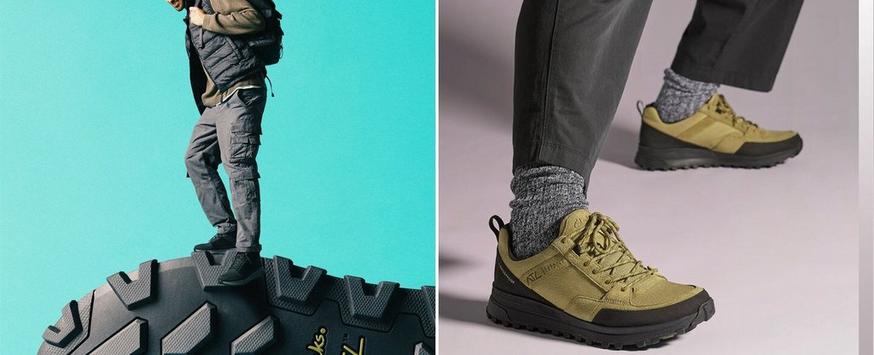
When it comes to hiking, your footwear can make or break your adventure. Choosing the right hiking shoes is crucial to keeping your feet comfortable, supported, and safe on challenging terrains and elevation changes. Wearing the wrong shoes can lead to discomfort, blisters, or even serious injuries, especially on rocky, muddy, or steep trails. Whether you're a seasoned adventurer or a beginner exploring new paths, the right pair of hiking shoes will ensure you’re equipped for the journey.
What Makes a Hiking Shoe Different?
Hiking shoes are designed specifically for rugged, uneven terrains. Their unique features offer far more support and durability than everyday walking shoes.
Key Features of Hiking Shoes:
- Rugged Soles: The soles of hiking shoes are designed for maximum traction and grip on slippery, rocky, or muddy surfaces.
- Ankle Support: Hiking shoes often provide better ankle support than walking shoes, helping prevent injury on uneven ground.
- Toe Protection: Many hiking shoes have reinforced toe caps to protect your feet from rocks and debris.
- Waterproofing: For hikes in wet or muddy conditions, waterproof shoes keep your feet dry and comfortable.
- Breathability: While hiking shoes need to be durable, they also need to allow air flow to keep your feet cool and prevent excess moisture buildup.
Compared to walking shoes, hiking shoes tend to be sturdier, with more grip and support for demanding conditions.
Hiking Shoes vs Boots vs Trail Shoes vs Running Shoes
Hiking Shoes vs Boots
While both hiking shoes and boots are designed for outdoor use, there are key differences:
- Flexibility: Hiking shoes are generally more flexible than boots, offering greater mobility. Boots, on the other hand, provide more stability for heavy-duty trails and offer higher ankle support.
- Weight: Hiking shoes are typically lighter than boots, making them ideal for less extreme terrain. Boots are heavier but provide more protection on rougher terrain and during multi-day treks.
Opt for hiking shoes for shorter, lighter hikes on well-maintained trails. Choose boots for challenging, rugged hikes with steep inclines or extended durations.
Trail Shoes vs Hiking Shoes
- Grip and Protection: Trail shoes are designed for runners and generally have less grip and protection than hiking shoes. Hiking shoes provide more protection for your feet, such as reinforced toe caps and tougher soles.
- Support: Trail shoes are ideal for running or light, fast-paced hikes, but they may not provide the durability or ankle support required for longer or more technical hikes.
Running Shoes for Hiking
Running shoes are not ideal for hiking, especially on rough terrain. While they’re lightweight and comfortable for paved surfaces, running shoes typically lack:
- Durability: They aren't built to withstand rugged trails and can wear out quickly.
- Support: Running shoes offer minimal ankle support, making them unsuitable for uneven, rocky ground.
- Grip: Running shoes don’t have the same traction as hiking shoes, which can lead to slips and falls on tough trails.
Choosing the Best Hiking Shoes for Your Needs
Best Waterproof Hiking Shoes
If you're hiking in wet or muddy conditions, waterproofing is essential. Waterproof hiking shoes will keep your feet dry and comfortable, preventing blisters and discomfort. Look for shoes with Gore-Tex® or similar waterproof technology for the best results.
Best Hiking Shoes for Plantar Fasciitis
If you have plantar fasciitis, you'll want shoes that offer extra cushioning and arch support. Look for shoes that feature:
- Good Arch Support: Helps reduce strain on the plantar fascia.
- Cushioning: Soft, responsive cushioning in the heel to absorb shock and minimize impact.
- Stability: A firm yet flexible sole for improved alignment and foot health.
Is Hiking OK with Plantar Fasciitis?
Yes! But to prevent flare-ups, you should choose shoes that offer the right level of cushioning and arch support. Keep your hikes moderate at first, and don’t push yourself too hard. Incorporating stretching and strengthening exercises for your feet can also help manage plantar fasciitis symptoms.
Should hiking boots be heavy or light?
Hiking boots can vary in weight depending on the terrain and your needs. Lighter boots are ideal for day hikes on less rugged trails, as they offer more flexibility and comfort. Heavier boots are better for long, multi-day treks or challenging terrain, as they provide additional support, protection, and durability. Choose boots based on the difficulty of your hike — light boots for easier trails, and heavier ones for tougher, more technical terrain.
Hiking Shoes FAQs
What are the best shoes to wear when hiking?
The best shoes for hiking depend on the terrain, your foot health, and the duration of your hike. Hiking shoes with rugged soles, waterproofing, and ample support are ideal for most conditions.
Can boots be used as hiking shoes?
Yes! Hiking boots can provide added ankle support and protection on rugged trails. However, they tend to be heavier than hiking shoes, so they may not be the best choice for shorter or less challenging hikes.
Is there a difference between trail shoes and hiking shoes?
Yes. Trail shoes are typically lighter, designed for running on trails, and have less ankle support and protection compared to hiking shoes, which are built for durability, grip, and foot protection over rough terrain.
Is it OK to wear running shoes for hiking?
It’s not ideal. Running shoes lack the durability, ankle support, and traction necessary for challenging hikes. It’s better to wear shoes specifically designed for hiking.
Clarks’ Recommendations
Clarks offers a variety of hiking shoes designed for comfort, support, and durability. Whether you’re heading out for a weekend hike or tackling a tougher trail, our shoes provide the stability and protection your feet need. From waterproof options to styles designed for plantar fasciitis sufferers, Clarks has the perfect pair to help you conquer any trail.
Explore Clarks’ hiking shoe range for men and women today and get ready to hit the trails!
Choosing the right hiking shoe is essential for your comfort, safety, and performance on the trail. With the right pair, you can tackle tough terrains, elevation changes, and unpredictable weather with ease. Be sure to choose shoes that suit your specific needs, whether it's waterproofing, extra support for plantar fasciitis, or a lightweight, breathable design.
Explore Clarks' hiking shoe collection to find your perfect pair and get ready to conquer your next adventure.