Running Shoes for Knee Pain – Your Guide to Injury Prevention and Support
Published on:
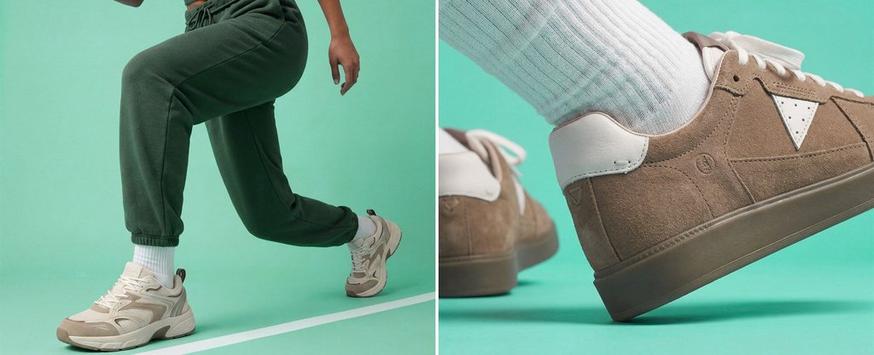
Knee pain is a common issue for runners and active individuals, often originating from the constant impact on hard surfaces. Whether you’re an experienced runner or just starting, the discomfort can be debilitating and hinder your ability to enjoy physical activity. One of the most effective ways to reduce knee pain and prevent injuries is by wearing the right footwear. Proper running shoes designed for knee support can absorb impact, improve alignment, and keep you moving comfortably for longer distances. This guide will help you understand why knee support matters and how to choose the best running shoes for knee pain.
Why Knee Support Matters for Runners
The knees are pivotal in running mechanics, absorbing shock with every stride. Without adequate support, running can lead to pain or injury in the knee joint. Conditions such as runner’s knee (patellofemoral pain syndrome) are common among active individuals, causing pain, swelling, and discomfort around the knee cap.
Key knee issues related to running:
- Runner’s Knee: Pain around or behind the kneecap, typically caused by overuse, poor alignment, or weak muscles.
- Iliotibial Band Syndrome (ITBS): Pain on the outside of the knee, caused by the friction of the iliotibial band rubbing against the bone.
- Tendonitis: Inflammation of the tendons around the knee, often caused by repetitive motion.
Wearing the right running shoes with adequate cushioning and support can significantly reduce the impact on the knees, helping to prevent these common running injuries.
What Causes Knee Pain When Running?
Knee pain can arise from several factors, all of which can be mitigated by the right footwear:
Common causes of knee pain while running:
- Overuse: Running too many miles without proper rest or gradual buildup can stress the knees.
- Poor Running Form: Misalignments in your running form, such as overpronation (feet rolling inward), can lead to knee strain.
- Inadequate Footwear: Shoes lacking cushioning, support, or stability can exacerbate knee pain by allowing improper foot movement.
- Old Running Shoes: Worn-out shoes lose their ability to absorb shock and support the foot, which can result in knee pain.
Can old running shoes cause knee pain?
Yes, old running shoes lose their shock-absorbing properties over time, meaning they no longer protect your knees from the repetitive impact of running. As the cushioning breaks down, your joints—especially the knees—take the brunt of the force, increasing the risk of pain and injury.
Is Running The Worst Sport For Your Knees?
When it comes to knee pain, not all sports are created equal. Running, due to its repetitive nature and constant impact, is often considered one of the hardest activities on your knees. But how does it compare to other high-impact sports?
Running vs. Other High-Impact Sports:
- Running: Running involves repetitive, high-impact force with each stride, which is absorbed primarily by the knees. Whether you're running on pavement, trails, or a treadmill, each footstrike places stress on the knee joint. Over time, this cumulative impact can lead to knee pain, especially if your running shoes are worn out or lacking adequate support. Furthermore, running with poor form, like overstriding or pronating, can exacerbate knee stress.
- Basketball: Basketball involves running, jumping, and quick changes in direction, which can also strain the knees. However, because of the more intermittent nature of the movements, with periods of rest between bursts of activity, it might not be as consistently stressful on the knees as running. Still, the abrupt stops, jumps, and pivots in basketball can put excessive strain on the knee ligaments and tendons, increasing the risk of injury.
- Football: Like basketball, football involves a combination of running, sudden direction changes, and impact. However, football players tend to wear protective gear and have shorter periods of intense activity, which may reduce continuous stress on the knees. However, the impact from tackles and the need to accelerate quickly can still lead to knee injuries.
- Tennis and Other Court Sports: These sports involve frequent lateral movements, sudden starts, stops, and quick direction changes, which put stress on the knees. While not as repetitive as running, the lateral movements can cause strain on the knee joint, especially if there is poor footwear or improper technique.
Why Running is a Common Culprit for Knee Pain
Running is unique in that it requires repetitive impact on the knee joint with minimal rest between each stride. This constant pounding over time—particularly when running on hard surfaces like concrete—can cause wear and tear on the cartilage, leading to conditions like runner’s knee or patellofemoral pain syndrome. Without proper footwear or adjustments to form, the stress on the knees can become a significant risk factor for injury, making running one of the sports most commonly linked to knee pain.
What is the Worst Mistake for Bad Knees?
The biggest mistake runners make when dealing with knee pain is ignoring it. Running through pain or discomfort can exacerbate existing injuries and lead to more serious long-term issues.
Key mistakes to avoid:
- Ignoring pain: Pushing through knee pain without proper treatment can make the injury worse.
- Running through injury: Continuing to run with poor form or after a minor injury can lead to significant damage.
- Wearing the wrong shoes: Shoes that don’t offer enough support, cushioning, or stability can aggravate knee pain.
It's important to listen to your body, replace worn-out shoes regularly, and seek medical advice if knee pain persists.
Key Features to Look for in Running Shoes for Knee Pain
Choosing the right pair of running shoes can make a huge difference when it comes to managing knee pain. Here are the key features to look for:
Cushioning: Are more cushioned shoes better for the knees?
Cushioned shoes can help absorb the shock and impact from each stride, reducing the strain on the knees. However, overly cushioned shoes may make the foot unstable, so it’s important to strike a balance between cushioning and support. Look for shoes with responsive cushioning that adapts to your stride without losing stability.
Support and Stability: How these features help with knee alignment
Supportive shoes are crucial for proper knee alignment. Features like medial posts or stability plates can prevent overpronation (excessive inward rolling of the foot), which is a major contributor to knee pain. Stability helps ensure that the feet remain in alignment with the knees, reducing strain on the joint.
Heel-to-Toe Drop: Is zero drop bad for the knees?
A zero-drop shoe means that the heel and forefoot are at the same level. For some runners, this can encourage a more natural stride, but for others, it may cause discomfort or exacerbate knee pain. A moderate heel-to-toe drop (around 4-8mm) can provide the right balance of comfort and knee protection, promoting a healthy gait and reducing strain on the knees.
Fit and Comfort: Why proper fit matters for knee health
Ill-fitting shoes can lead to misalignment, which in turn can cause knee pain. It's essential that running shoes offer the correct size, width, and arch support for your foot type. Proper fit ensures that the shoe aligns well with the foot’s natural movements, preventing unnecessary stress on the knees.
Tips for Preventing Knee Pain While Running
- Warm-up and stretching routines: Properly warming up and stretching before each run can help prevent knee injury.
- Strengthening exercises for legs and knees: Incorporate leg and knee strengthening exercises into your workout routine to build muscle support around the knee joint.
- Proper running form and cadence: Focus on maintaining a steady, balanced stride to reduce unnecessary impact on the knees.
- When to replace your running shoes: Replace your running shoes every 300-500 miles, or sooner if you notice decreased cushioning or support.
Shoes for Knee Pain FAQs
Are more cushioned shoes better for the knees?
Cushioning helps absorb impact, but excessive cushioning can lead to instability. Choose shoes with responsive cushioning that provides both comfort and support.
Is zero drop bad for the knees?
Cushioning helps absorb impact, but excessive cushioning can lead to instability. Choose shoes with responsive cushioning that provides both comfort and support.
Can old running shoes cause knee pain?
Yes, worn-out shoes lose their cushioning and support, which can lead to increased stress on the knees, causing pain and potential injury.
Which running shoe is best for knee pain?
Look for shoes with good cushioning, stability, and support. Clarks Unstructured shoes are highly rated for knee pain relief.
Choosing the right running shoes can have a major impact on preventing and managing knee pain. The right fit, cushioning, and support help protect your knees, allowing you to continue running without discomfort or injury.