A Guide to Buying Shoes When You Have Bunions
Published on:
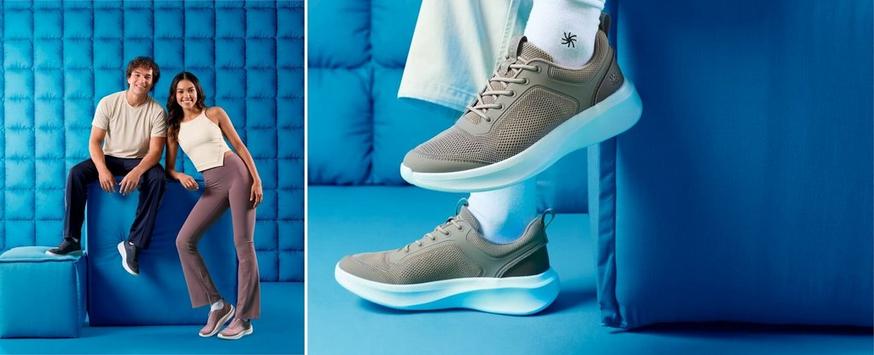
Finding comfortable shoes can feel challenging when you have bunions — but the right pair can make all the difference. Whether you’re heading to work, walking around the city, or dressing up for an occasion, supportive footwear can help reduce pressure, improve comfort, and support healthy movement throughout the day.
Bunions are one of the most common foot concerns, especially as we get older. While they can’t always be prevented, wearing shoes with the right fit and features may help minimize discomfort and stop symptoms from getting worse.
At Clarks, we believe comfort and style should always go hand in hand. With expertly crafted footwear, cushioned footbeds, and thoughtfully designed fits, our shoes are made to support every step — without compromising on looks.
In this guide, we’ll explain what bunions are, which shoes to avoid, the features podiatrists recommend, and the best Clarks styles to consider if you’re looking for everyday comfort with bunion-friendly support.
Understanding bunions
A bunion is a bony bump that forms at the base of the big toe joint. Over time, the big toe gradually shifts inward toward the other toes, causing the joint to stick outward. This can lead to discomfort, swelling, stiffness, and irritation — especially when wearing shoes that don’t fit properly.
Bunions can develop for several reasons, including:
- Genetics and inherited foot shape
- Arthritis or joint conditions
- Flat feet or overpronation
- Years of wearing narrow or tight footwear
- High heels that place pressure on the forefoot
While bunions can affect anyone, they often become more noticeable with age as joints naturally lose flexibility and feet spread slightly over time.
Wearing the wrong shoes can make bunions worse by increasing friction and pressure around the joint. Tight toe boxes, rigid materials, and elevated heels can all contribute to pain and inflammation, making it harder to stay comfortable on your feet throughout the day.
The good news? Choosing shoes designed with comfort, flexibility, and support in mind can help relieve pressure and improve overall foot comfort.
Shoes to avoid if you have bunions
If you have bunions, certain shoe styles may aggravate symptoms and increase pressure on sensitive areas of the foot.
Narrow or Pointed Shoes
Shoes with tapered toe boxes squeeze the toes together, placing direct pressure on the bunion joint. Over time, this can increase irritation and make the bunion appear more prominent.
High Heels
High heels shift body weight onto the front of the foot, increasing stress on the big toe joint. Even moderate heel heights can worsen discomfort if worn for long periods.
Rigid Shoes
Stiff uppers and inflexible soles may rub against the bunion area, leading to irritation and inflammation. Shoes without cushioning can also increase pressure while walking.
Shoes with Seams Over the Bunion
Internal stitching or structured overlays that sit directly over the bunion can cause friction and discomfort — especially during all-day wear.
Many podiatrists recommend avoiding shoes that compress the forefoot or restrict natural movement. Instead, they suggest choosing footwear that allows the toes to spread comfortably while providing cushioning and support.
Features to look for in shoes for bunion support
When shopping for shoes with bunions, comfort starts with the right fit and thoughtful design features.
Wide Fit and Roomy Toe Box
A spacious toe box allows your toes to sit naturally without rubbing against the sides of the shoe. Wide fit options can help reduce pressure on the bunion area and improve overall comfort.
Soft, Flexible Materials
Soft leather, stretch textiles, knit uppers, and mesh materials can adapt more comfortably to the shape of your foot while reducing friction.
Cushioned Soles and Arch Support
Supportive footbeds and shock-absorbing soles help reduce pressure across the forefoot and improve comfort during long periods of walking or standing.
Adjustable Features
Shoes with laces, straps, or adjustable closures allow you to customize the fit and accommodate changes in foot shape or swelling throughout the day.
Low or Moderate Heel Height
Low heels or slight wedges generally place less pressure on the forefoot than higher heels, helping support a more natural walking position.
At Clarks, many of our comfort-focused styles include cushioned footbeds, flexible soles, and roomy fits designed to support all-day wear. Our approach combines premium craftsmanship with comfort-led design principles that prioritize freedom of movement and long-lasting support.
What shoes do podiatrists recommend for bunions?
Podiatrists typically recommend shoes that reduce pressure on the bunion joint while supporting healthy alignment and movement.
At Clarks, comfort technologies such as Contour Cushion footbeds and lightweight, flexible outsoles are designed to help support natural movement and lasting comfort throughout the day.
Best Clarks options for bunions
Here are some Clarks styles worth considering if you’re looking for shoes that combine comfort, support, and everyday versatility.
Clarks Breeze Collection
Lightweight and flexible with soft uppers and cushioned footbeds, the Breeze collection is ideal for casual everyday comfort.
Features:
- Soft textile or leather uppers
- Lightweight sole
- Cushioned support
- Easy on/off design
Clarks Cloudsteppers™ Styles
Known for ultra-light cushioning and soft comfort, Clarks Cloudsteppers™ shoes are designed to help reduce pressure underfoot.
Features:
- Cushion-soft footbeds
- Lightweight construction
- Flexible movement
- Comfortable all-day wear
Clarks Mira Collection
A great option for walking and travel, Mira styles often include adjustable straps and supportive comfort features.
Features:
- Adjustable fit
- Lightweight soles
- Soft uppers
- Cushioning underfoot
Clarks Walking Shoes
Walking shoes designed with cushioning, flexibility, and support can help reduce pressure during longer periods on your feet.
Features:
- Shock absorption
- Supportive footbeds
- Flexible soles
- Breathable materials
Bunion FAQs
What are the best women’s shoes for bunions?
The best women’s shoes for bunions typically have a wide toe box, soft materials, cushioning, and supportive soles. Styles with adjustable straps or laces can also help create a more comfortable fit.
Are there fashionable shoes for bunions?
Yes — many modern comfort shoes combine supportive features with stylish designs. Look for sleek sneakers, loafers, sandals, and low heels that prioritize fit and flexibility without sacrificing style.
How do I know if I need wide shoes?
If your shoes feel tight across the forefoot, leave marks on your skin, or cause rubbing around the bunion area, you may benefit from a wide fit or roomier toe box.
Can the right shoes prevent bunions from getting worse?
While shoes can’t reverse bunions, wearing supportive footwear with enough room for your toes may help reduce pressure and discomfort and prevent symptoms from worsening over time.
What are the best walking shoes for bunions?
The best walking shoes for bunions usually include cushioning, arch support, flexible soles, and breathable materials that minimize pressure during movement.
What are the best dress shoes for bunions
Look for dress shoes with soft leather uppers, cushioned footbeds, and low or block heels. Rounded or almond-shaped toe boxes are often more comfortable than pointed styles.
With the right shoes, living with bunions doesn’t mean compromising on comfort or style. Thoughtfully designed footwear can help support natural movement, reduce pressure, and keep you feeling comfortable wherever the day takes you. For expertly crafted comfort designed for real life, explore Clarks’ latest collections.