What is Plantar Fasciitis and Which Shoes Can Help Ease the Symptoms?
Published on:
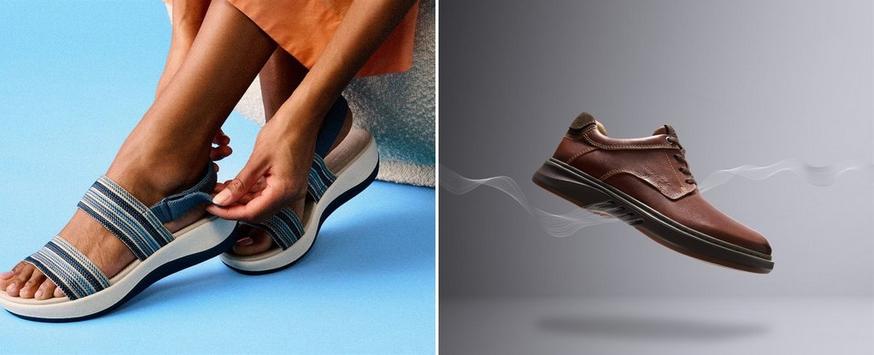
If you’ve ever stepped out of bed and felt a sharp pain in your heel, you may have experienced plantar fasciitis. One of the most common causes of heel discomfort, plantar fasciitis can make everyday movement feel challenging — from morning walks to long days on your feet.
The good news? Supportive footwear can make a real difference. At Clarks, comfort has always been at the heart of every design, with cushioning technologies and supportive footbeds crafted to help you move more comfortably through daily life.
What is Plantar Fasciitis?
Plantar fasciitis is a condition that affects the plantar fascia — a thick band of tissue that runs along the bottom of the foot, connecting the heel bone to the toes. This tissue supports the arch of the foot and absorbs shock when you walk.
When the plantar fascia becomes irritated or inflamed, it can lead to heel pain that ranges from mild discomfort to persistent soreness.
Common symptoms of plantar fasciitis include:
- Sharp heel pain, especially first thing in the morning
- Pain after long periods of standing or walking
- Tightness in the arch of the foot
- Discomfort after exercise rather than during it
Who is most at risk from plantar fasciitis?
Plantar fasciitis can affect anyone, but it’s more common among:
- People who spend long hours on their feet
- Runners and walkers
- Those with flat feet or high arches
- Adults between 40 and 60
- Anyone regularly wearing unsupportive footwear
What Causes Plantar Fasciitis?
Plantar fasciitis is usually caused by repeated strain on the plantar fascia over time. Small tears can develop in the tissue, leading to inflammation and pain.
Common causes include:
- Overuse from walking, running, or standing for long periods
- Shoes with poor arch support or thin soles
- Tight calf muscles or Achilles tendons
- Foot mechanics such as flat feet or high arches
- Sudden increases in activity levels
What is the Root Cause of Plantar Fasciitis?
In many cases, the root cause is excessive stress placed on the plantar fascia without enough support or recovery. Footwear plays an important role here — shoes that lack cushioning or stability can increase strain on the heel and arch.
What’s the Worst Thing You Can Do for Plantar Fasciitis?
One of the biggest mistakes people make is ignoring the pain and continuing to wear unsupportive shoes.
Common habits that can worsen plantar fasciitis:
- Walking barefoot on hard surfaces
- Wearing flat shoes with little cushioning
- Using worn-out sneakers without support
- Standing for long periods without rest
- Returning to high-impact exercise too quickly
Early intervention matters. Choosing shoes with proper cushioning and support can help reduce pressure on the plantar fascia and improve overall comfort during daily movement.
What Shoes Help Plantar Fasciitis?
When shopping for shoes for plantar fasciitis, comfort alone isn’t the only thing to look for. The right pair should support natural foot movement while helping reduce stress on the heel.
Key shoe features to look for:
- Arch Support- Supportive arches help distribute pressure more evenly across the foot and reduce strain on the plantar fascia.
- Cushioning- Soft yet responsive cushioning helps absorb impact while walking.
- Stability- A stable sole can help improve alignment and reduce excessive rolling inward or outward.
- Heel Support- A structured heel counter helps keep the foot secure and supported.
What heel drop is good for plantar fasciitis?
Heel drop refers to the height difference between the heel and forefoot of a shoe. For plantar fasciitis, many people find a moderate heel drop — typically around 8–12mm — helps reduce tension on the plantar fascia and Achilles tendon.
Shoes that are completely flat may increase strain on sensitive heels, while moderate elevation can help improve comfort for some wearers.
Best Walking Shoes for Plantar Fasciitis
Clarks Unstructured Collection
Known for lightweight comfort and breathable construction, Clarks Unstructured styles are designed to support natural movement while keeping feet comfortable throughout the day.
Best Sneakers for Plantar Fasciitis
A lightweight sneaker with flexible movement, cushioned support, and a comfortable fit for everyday wear.
Best Sandals for Plantar Fasciitis
Part of the Cloudsteppers™ range, Arla sandals are lightweight with soft cushioning and flexible soles that help keep feet comfortable during warmer weather.
Best Running Shoes for Plantar Fasciitis
If you run with plantar fasciitis, supportive footwear is especially important. Look for running shoes with a cushioned midsole to absorb impact, a stable base to help guide the foot, and firm arch support to reduce strain on the plantar fascia.
A moderate heel drop can also help relieve tension through the heel and Achilles tendon, while a secure heel counter helps keep the foot in place as you move. Avoid minimalist or very flat running shoes, as these may increase pressure on the heel and arch.
What is the highest rated shoe for plantar fasciitis?
Support needs vary from person to person, but many customers looking for all-day comfort gravitate toward Clarks’ Unstructured and Cloudsteppers™ collections thanks to their lightweight feel, cushioning, and supportive design.
Plantar Fasciitis Insoles
Supportive insoles can also help improve comfort. The right insoles can provide:
- Long-lasting cushioning
- Breathability
- Moisture management
- Lightweight support
For some people, replacing worn insoles or adding extra arch support can help reduce daily discomfort.
Tips for Managing Plantar Fasciitis Beyond Footwear
Supportive shoes are important, but there are other ways to help manage plantar fasciitis symptoms.
Stretch Regularly
Gentle stretches for the calves, arches, and Achilles tendon can help reduce tension.
Rest and Recovery
Avoid overloading the foot when symptoms flare up. Taking breaks and reducing repetitive impact can help.
Ice the Area
Applying ice to the heel for short periods may help reduce inflammation after activity.
Replace Worn Shoes
Old shoes can lose cushioning and support over time, increasing pressure on the foot.
When should I see a podiatrist for plantar fasciitis?
If pain becomes persistent or affects daily movement, it’s best to consult a healthcare professional or podiatrist for tailored advice.
Plantar fasciitis can make everyday movement uncomfortable, but supportive footwear may help ease pressure on the heel and improve overall comfort.
From cushioned sneakers to supportive sandals, Clarks designs shoes with comfort-focused features that help support busy days on your feet — without compromising on style.
Explore Clarks’ comfort collections to find supportive footwear designed for real life movement
Plantar Fasciitis FAQs
What is plantar fasciitis?
Plantar fasciitis is inflammation or irritation of the plantar fascia, the tissue running along the bottom of the foot that supports the arch.
What is the main cause of plantar fasciitis?
Common causes include overuse, poor footwear, tight muscles, and foot structure issues such as flat feet or high arches.
What shoes help plantar fasciitis?
Shoes with supportive arches, cushioning, stability, and structured heel support can help reduce strain on the plantar fascia.
What’s the worst thing you can do for plantar fasciitis?
Walking barefoot on hard floors, wearing unsupportive shoes, and ignoring ongoing heel pain can worsen symptoms.
What heel drop is good for plantar fasciitis?
Many people find a moderate heel drop of around 8–12mm helps reduce strain on the plantar fascia.
What Brand of Shoes Do Podiatrists Recommend for Plantar Fasciitis?
Podiatrists often recommend shoes that prioritize:
- Arch support
- Cushioning
- Stability
- Shock absorption
- Proper fit
Shoes that combine these features can help reduce pressure on the heel and support better alignment during walking.
Clarks designs many styles with comfort technologies intended to support natural movement and long-lasting wear, making them a practical choice for people prioritizing everyday foot comfort.