A Guide to Choosing Perfect School Shoes That Last
Published on:
A new school year means new routines, new adventures and, for many growing kids, new shoes. Finding the best shoes for school is about more than getting them ready for the first bell. The right pair needs to keep up with busy days in the classroom, trips down the hallway, recess and everything else their schedule brings.
Comfort and fit matter, but durability and style deserve a place on the checklist, too. After all, kids spend a lot of time in their shoes, so choosing a pair they’re happy to put on every morning can make getting school-ready that little bit easier.
From finding the right fit to understanding kids’ shoe sizing, here’s our guide to choosing the best back to school shoes for growing feet.
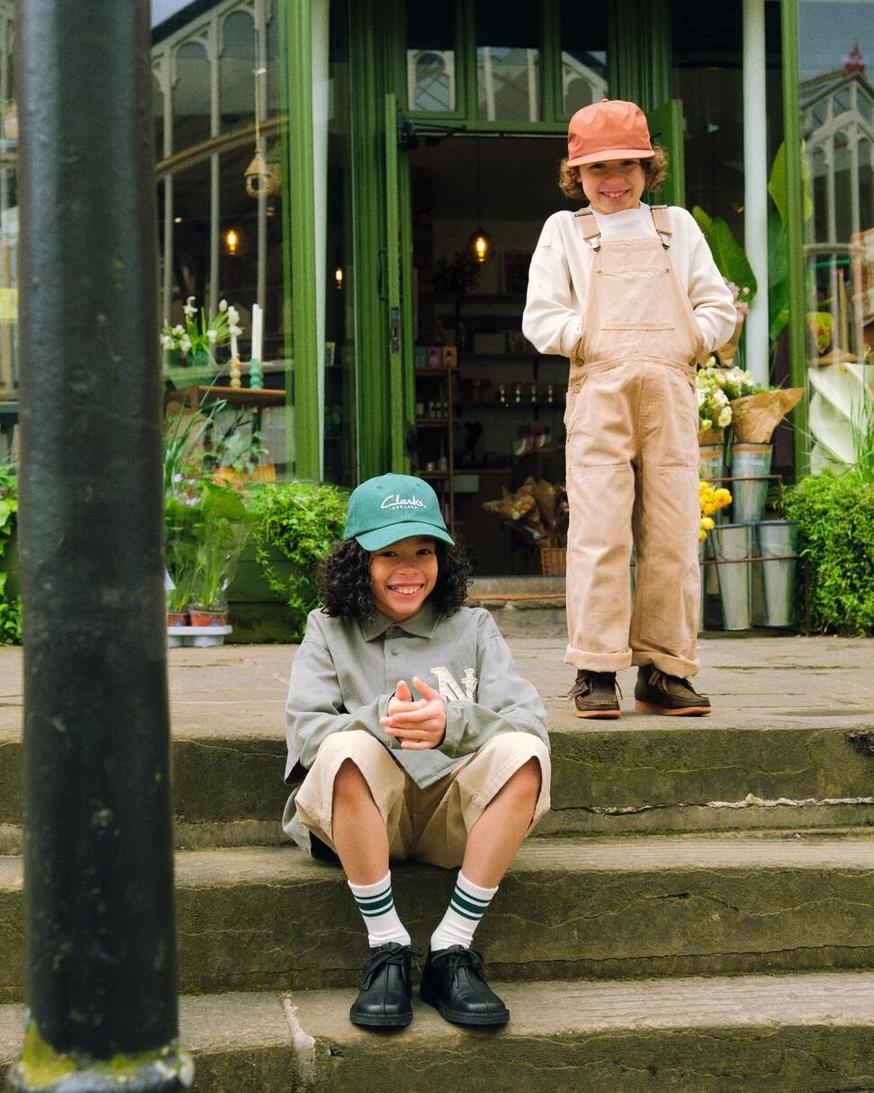
What to Look for in School Shoes: Fit, Durability and Style
There’s plenty to think about when shopping for the best school shoes, but three things are a good place to start: fit, durability and style.
Find a Comfortable Fit
School shoes should feel comfortable from the start. Look for enough room around the toes, a secure fit at the heel and a shape that works naturally with your child’s foot. Shoes shouldn’t pinch or rub, but they shouldn’t feel loose enough for the foot to slide around inside either.
A little growing room is useful, but bigger isn’t always better. The American College of Foot and Ankle Surgeons (ACFAS) recommends leaving around a finger’s width between the end of the shoe and the tip of the big toe. It also warns against buying oversized shoes, as these can allow the foot to slide forward and put additional pressure on the toes. ACFAS also notes that a child’s feet can grow as much as two sizes in six months, which is why checking the fit matters more than the size printed inside the shoe.
Choose Shoes Made for Busy Days
From the classroom to the playground, school shoes can go through a lot in a week. When looking for a hard-wearing pair, pay attention to the construction as well as the materials.
A sole should flex around the toe area where the foot naturally bends while remaining more supportive through the middle. It’s also worth regularly checking soles for signs of wear and making sure cushioning still feels supportive, as both can deteriorate over time.
Easy-care materials can be a practical choice for everyday wear, too, particularly when muddy playgrounds and unexpected puddles are part of the school-day forecast. For the days they come home caked in it, our guide to cleaning shoes covers every material.
Don’t Forget Their Style
The practical details matter, but so does finding a pair your child actually wants to wear.
Whether they prefer classic black shoes, sporty sneakers or something with a little more personality, involve them in the decision where you can. Just remember to check your school’s uniform or dress-code requirements before choosing colors and styles.
What Does GS Mean in Shoes?
GS usually stands for “Grade School” – a footwear size category for school-age children rather than a particular type or style of shoe, and one you’ll see most often on sneakers. Because sizing systems can vary between brands, always use the relevant size guide and, where possible, measure your child’s feet before buying.
Clarks uses its own age-based bands rather than GS. Here’s how they line up:
| Clarks Band | US Size Range | Rough Age Range |
|---|---|---|
| Toddler | 0-10 | Up to around 5 years |
| Little Kid | 10.5-3 | Around 5-8 years |
| Big Kid | 3.5-7 | Around 8-12 years |
| Grade School (GS) | Industry term, not a Clarks band | Broadly overlaps Little Kid and Big Kid |
How to Measure Your Child’s Feet for School Shoes
Growing feet can change quickly, which means the shoes that fitted comfortably last semester might not be right for the new school year.
For the most accurate starting point, measure both feet and use the larger measurement when choosing a size. Have your child stand naturally while measuring so their weight is distributed through their feet, and make sure you consider the socks they’ll usually wear with their school shoes.
Our kids' measuring guide walks through it step-by-step.
When trying on a pair, check that:
- Their toes have room to move comfortably.
- The widest part of their foot sits comfortably inside the widest part of the shoe.
- Their heel feels secure rather than slipping as they walk.
- The shoes don’t pinch, rub or create uncomfortable pressure points.
- Both shoes feel comfortable when your child walks around in them.
Because feet can change as children grow, it’s worth checking the fit regularly throughout the school year rather than relying on the size printed inside the shoe.
Children’s Shoes With Arch Support
Comfortable support can be especially important when shoes are being worn throughout a long school day. It’s worth considering the shoe as a whole rather than focusing on one feature alone.
Look for comfortable underfoot cushioning, a secure heel and a sole that supports the foot while still allowing natural movement at the forefoot. ACFAS advises checking shoes for appropriate cushioning and arch support and notes that flat feet can call for a different shape of shoe – more room across the toes, more support underneath and better shock absorption.
If your child has specific foot concerns or has been advised to wear orthotics, seek guidance from an appropriate healthcare professional about the footwear that suits their individual needs.
Should You Buy School Shoes a Size Bigger?
It can be tempting to buy school shoes a full size bigger to make room for growing feet, but shoes that are too large can be uncomfortable.
A shoe that’s too big changes how a child walks: the foot slides forward on every step, the heel lifts out, and the sole stops flexing where their foot actually bends. Rather than sizing up, aim for the finger’s width described above and check the fit again in a couple of months. You can find out more in our guide on how to tell if your shoes are the right size.
School Shoes for Girls and Boys
Every child’s school day looks different, which is why the right shoes are the ones that suit their routine, their school requirements and, most importantly, their feet.
Girls’ School Shoes
Look for a pair that brings together comfortable cushioning, a secure fit and everyday durability.
Classic school styles can be a smart choice for uniform days, while sneakers offer a more casual option where dress codes allow. Easy fastenings can help younger children get ready independently, while older kids may prefer lace-up designs that let them adjust the fit.
Whatever style they choose, prioritize a comfortable fit and a sole that can handle everything their school day has in store.
Boys’ School Shoes
Durability often sits high on the back-to-school checklist. Look for sturdy everyday designs with comfortable footbeds and outsoles made to cope with regular wear.
Lace-ups can offer an adjustable, secure fit, while easy-fastening designs make quick changes simpler for younger kids. A versatile design that works across lessons, lunch breaks and the playground can make a practical everyday option.
Choosing Hard-Wearing School Shoes
So, what makes school shoes hard-wearing?
Start with the areas that tend to see the most action: the outsole, toe and upper. Durable materials and well-constructed soles can help shoes stand up to everyday school wear, while flexibility at the forefoot helps the foot move naturally.
ACFAS recommends replacing shoes once there’s significant wear around the edges of the sole, and checking that a shoe flexes at the toe box rather than bending through the middle.
Even a well-made shoe won’t last forever, particularly when feet are growing. Check both condition and fit throughout the year so you can spot when it’s time for a new pair.
School Shoe FAQs
Q: How do I choose school shoes?
A: Start with getting the fit right first, then weigh up how hard-wearing the pair needs to be for their particular school week. Check school dress code requirements, consider how active your child will be during the day, and choose a style they’re happy to wear.
Q: How to check school shoes size?
A: Measure both feet and choose the size based on the larger foot. Then check the fit with the shoes on: room at the toes, a heel that stays put, and no pinching once they walk around in them. Do it in the afternoon if you can – feet swell slightly through the day, so a pair fitted first thing could feel tight by home time.
Q: Should I buy kids shoes a size bigger?
A: Not automatically. Growing room is important, but shoes that are too big can allow the foot to slide forward. Aim for a comfortable fit with appropriate room at the toes rather than simply moving up a full size.
Q: What are some good shoes for school?
A: The right choice depends on your child, their school and their daily activities. Generally, look for shoes with a secure fit, comfortable cushioning, a flexible forefoot and durable construction. Where school rules allow, sneakers can be a versatile everyday choice, while smarter styles may be needed for stricter uniform policies.
Q: How can I make school shoes more comfortable?
A: Getting the fit right is the best starting point, but a new pair can still feel stiff for the first week or so. Let them wear the shoes around the house before term starts, use the socks they’ll actually wear for school, and cover any rubbing spots while the material softens. Our guide to breaking in new shoes has more. If shoes suddenly feel tight after months of being fine, that’s usually growth rather than the shoe.
Q: What are the hardest wearing school shoes?
A: There isn’t one style that will be the most durable for every child. It depends where their shoes will take the most wear. Scuffed toes point to a tougher toe bumper, worn heels to a more robust outer sole. Whatever you choose, check the soles and uppers regularly, particularly if your child spends plenty of time running around outside.
Ready for the New School Year
From first-day excitement to everyday playground adventures, a great pair of school shoes should help kids move through their day in comfort.
The best shoes for school combine the right fit with comfortable support, practical durability and a style your child feels good wearing. Measure growing feet regularly, keep an eye on signs of wear and choose shoes for the school day they actually have – not just the first-day outfit.
With Clarks’ long-standing expertise in crafting footwear with comfort and movement in mind, you can find school-ready styles designed to keep growing feet moving from the first bell to home time.
Explore the full range of kids’ school shoes.