First School Shoes: Everything Parents Need to Know When Your Child Starts School
Published on:
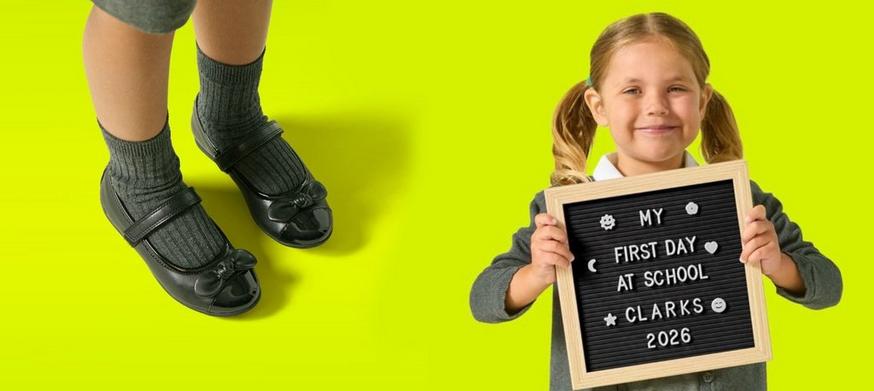
Starting school is a big moment, for children and for parents. There is the new routine, the first classroom, the school bag by the door and, somewhere in the middle of it all, the question of shoes. What should their first pair be like? How much growing room do they need? And how do you know if they actually fit?
If you are wondering how to measure kids feet before Reception starts, you are not alone. First school shoes are not just another pair for the wardrobe. They need to support long school days, playground movement, classroom sitting, PE changes and the early independence that comes with starting school.
Clarks brings 200 years of children’s footwear knowledge to that decision, alongside fit expertise, width fittings and biomechanics research informed by 1,200 3D foot scans. This guide explains how to measure, what to look for and when to get support, so you can choose first school shoes with more confidence.
Key Takeaways
- Reception is usually the first time children wear school shoes for long, structured days, so fit and comfort matter from the start.
- Measuring length and width gives a better fit than choosing by age or guessing from a previous size.
- First school shoes should feel secure, flexible and supportive, with enough growing room but not so much that the foot slips.
- Easy fastenings can help children manage their shoes more independently during the school day.
- Width fittings are important because children’s feet can be narrow, standard, wide or extra wide.
- An in-store fitting can offer reassurance before term starts, especially for parents buying school shoes for the first time.
- Shoes should be checked regularly after school starts because young children’s feet can grow quickly.
When Do Children Start School in the UK?
In England and Wales, most children start Reception in September after they turn four. That is why the question ‘when do kids start school in the UK’ often comes up alongside school shoes, uniform, bags and everything else that needs to be ready before the first day.
Reception is a new stage, not just a new outfit. Children may be walking further, spending more time on their feet and moving between different school activities. They might be sitting cross-legged on the carpet one moment, running in the playground the next, then changing shoes for PE or outdoor play.
That is why first school shoes need to work harder than many parents expect. They are not only for looking school-ready in the morning. They need to feel comfortable throughout a full day of learning, playing and moving.
It is also worth remembering that not all children start school with the same level of independence. Some can fasten their shoes easily. Others still need help. Some are confident walkers. Others are still getting used to longer days and busier spaces. The best school shoe choice supports the child you have, not just the stage they are entering.
How to Measure Kids Feet at Home?
Learning how to measure kids feet at home can help you feel more prepared before buying school shoes. It can also help you spot when a pair may be getting too small later in the term.
Start by measuring both feet, because one foot can be slightly longer or wider than the other. Ask your child to stand upright with their weight evenly balanced, rather than sitting down. Feet spread when they carry body weight, so standing gives a more realistic measurement for shoes they will wear all day.
Measure at the end of the day if you can. Feet can swell slightly after walking and playing, so an evening measurement may be more useful than one taken first thing in the morning. Make sure your child is wearing the type of socks they will usually wear to school.
Length is only part of the picture. Width matters too, especially for children’s school shoes. A shoe can look like the right size on paper but still feel tight across the foot, loose at the heel or uncomfortable around the toes. That is why measuring width as well as length gives a clearer starting point.
If you want a more consistent way to measure at home, kids’ foot measuring gauges can make regular checks easier. Once you have a measurement, the school shoe size calculator can help you understand what size to consider next.
If you are searching for how to measure children’s feet because your child is starting school soon, treat the measurement as a starting point rather than the final answer. The way the shoe fits on the foot still matters. Look for comfort, secure fastening, enough room at the toes and no slipping at the heel.
What to Look for in a First School Shoe?
A good first school shoe should support the way young children actually move. Reception children are not walking neatly from desk to desk all day. They are running, stopping, sitting, kneeling, climbing, shuffling, skipping and learning to manage their own belongings in a busy school environment.
Comfort should be one of the first checks. Your child should be able to walk naturally in the shoes, without gripping their toes, dragging their feet or asking to take them off straight away. If they seem unsure, watch how they move rather than relying only on what they say. Young children do not always explain discomfort clearly.
The shoe should feel secure around the heel and middle of the foot. If the heel slips up and down, the shoe may rub or make walking feel unstable. If the shoe feels tight across the front, it may press on the foot during a full school day.
Durability matters too. First school shoes need to cope with playground surfaces, wet mornings, scuffs, classroom floors and daily use. Reinforced areas can help shoes hold up better, especially around the toe where younger children often create the most wear.
Flexibility is also important. A first school shoe should not feel stiff or difficult to move in. Children need to bend, walk and play comfortably. At the same time, the shoe should offer enough support for everyday school wear.
Growing room is another key feature, but more room is not always better. Shoes that are too large can slip, rub and make it harder for children to move naturally. The goal is a secure fit with sensible growing room, not a pair bought several sizes too big.
Riptape vs Laces for First School Shoes
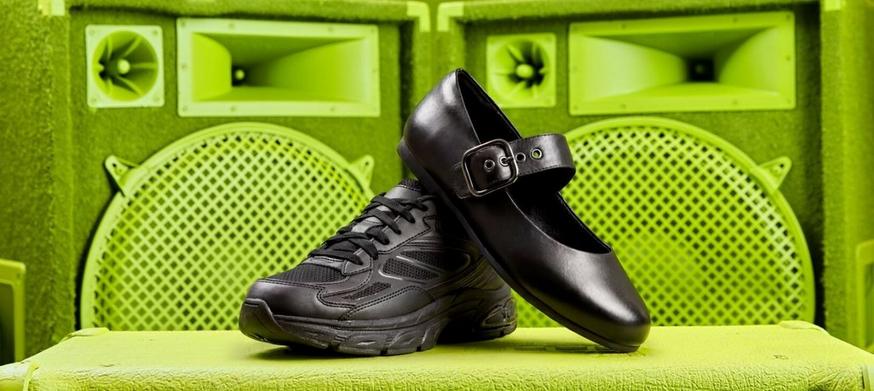
For many Reception children, easy fastenings are the most practical choice. Riptape straps (the fabric fastening often called Velcro) are often helpful because they are quicker to manage and easier for young children to use without adult support. That matters during busy school days, especially when children need to change shoes or get ready quickly.
Riptape can also help children feel more independent. Being able to put shoes on and fasten them without help is a small but important part of the starting-school routine. It can make mornings easier and reduce frustration during the day.
Laces can work for some children, especially if they can already tie them confidently. But if a child is still learning, laces may come undone often or need regular adult help. That can be frustrating for the child and impractical in a busy Reception classroom.
There is no need to rush the move to laces. A secure, easy fastening that suits your child’s current skills is usually the better choice for a first pair. Independence, comfort and fit matter more than choosing a style that feels older than they are ready for.
Some shoes use riptape, buckle or other fastening styles. The right choice is the one your child can manage and the school allows. If you are unsure, check the school guidance before buying.
Getting the Right Fit: Length, Width and Growing Room
The right fit is about more than the number printed inside the shoe. Children’s feet vary in shape, width and growth pattern, so two children wearing the same size may still need different fits.
Length is the starting point. There should be enough room at the front of the shoe for natural movement and growth, but the shoe should not feel loose. If the foot slides forward or the heel lifts, the shoe may be too big or not secure enough.
Width is just as important. Some children have narrow feet, while others need a wider or extra-wide fit. A shoe that is too narrow can press across the toes or top of the foot. A shoe that is too wide may not hold the foot securely, even if the length is correct.
Clarks offers different width fittings to help parents find a closer fit. This can be especially useful for first school shoes, because children wear them for long periods and may not always tell you exactly where something feels uncomfortable.
When checking fit, look at how your child walks. Are they moving naturally? Are they curling their toes? Are they trying to kick the shoes off? Are they complaining after only a few minutes? These signs can tell you more than a quick “Do they feel OK?” at the shop or at home.
Socks matter too. School socks can change the feel of the shoe, especially if they are thicker than the socks your child wore when measured. Try school shoes with the socks they will actually wear during term.
When to Book an In-Store Fitting?
For many first-time school parents, an in-store fitting offers helpful reassurance. You may be able to measure at home, but a trained fitter can check length, width, fastening, heel fit and growing room together.
This can be especially useful if your child is between sizes, has very narrow or wide feet, finds shoes uncomfortable quickly or is nervous about trying shoes on. It is also helpful if you are not sure what a good fit should look like for school shoes specifically.
A fitting appointment can also make the process feel less rushed. Back-to-school shopping can be busy, and first school shoes can feel like a high-pressure purchase. Having someone check the fit can make the decision feel more grounded.
If you want support before term starts, you can book an in-store fitting appointment and get guidance from a trained fitter. This is especially useful for Reception starters, where the first pair needs to support a completely new daily routine.
Try not to leave school shoes until the final few days if you can avoid it. Buying earlier gives your child time to try the shoes at home, practise fastening them and get used to how they feel before the first day.
How Many Pairs Does a Reception Child Need?
Most Reception children need one main pair of school shoes for everyday wear. Depending on the school, they may also need a separate pair of plimsolls, trainers or PE shoes. The school should tell you what is expected, so check the list before buying.
The everyday pair should be the priority. These are the shoes your child will wear most often, so fit, comfort and durability should come first. PE shoes may only be worn for shorter periods, but they still need to fit securely and be easy for your child to manage.
Some parents consider buying a backup pair of school shoes. This can be useful if a child is especially hard on shoes or if wet weather is a concern, but it is not always necessary. Children’s feet can grow quickly at this age, so buying multiple pairs too early may not offer good value if the second pair is outgrown before it is needed.
If your child’s school has clear requirements around colour, fastening or style, it is worth keeping those in mind when choosing the main pair. The wider school uniform checklist can help parents think through school shoes alongside the other footwear items needed for term.
If you are choosing by style or fit category, you may also find it useful to compare girls’ school shoes and boys’ school shoes, while still focusing on the fit, fastening and comfort your child needs.
When to Replace First School Shoes?
First school shoes should be checked regularly once term starts. Reception children can grow quickly, and the shoes that fitted well in August may not feel the same a few months later.
Look for signs that the shoes are too small. Your child may complain that their shoes feel tight, take them off as soon as they get home or resist putting them on in the morning. You may notice redness, rubbing, pressure marks or toes pressing against the front.
Wear can also be a sign that replacement is needed. Scuffed toes are common, especially for younger children, but more serious damage should be checked. If the sole is coming away, the heel is worn down or the shoe no longer holds its shape, it may not support the foot properly.
As a general habit, check your child’s shoe fit every few months. You do not need to wait until they complain. Young children may not always notice gradual discomfort, or they may not have the words to explain it.
It is also worth checking after growth spurts, after a long holiday or if your child suddenly seems less comfortable walking to school. A quick fit check can help you avoid weeks of discomfort.
Replacing shoes mid-term is normal for some children. It does not mean the original pair was wrong. It often means their feet have grown, the school routine is demanding or the shoes have done the job they were bought for.
Starting School With Confidence
Buying first school shoes can feel like a small task on a long school-starting list, but it is one of the choices your child will feel every day. The right pair can help them move comfortably, practise independence and get through long Reception days with fewer distractions.
Start with measurement, not guesswork. Check both length and width. Think about fastenings your child can manage. Look for comfort, durability and a secure fit. And if you are unsure, use fitting support before term starts rather than trying to work it all out alone.
Most of all, remember that first school shoes are not about finding a perfect-looking pair for one first-day photo. They are about supporting the real school day that comes after it: walking, playing, learning, changing, running, sitting and doing it all again tomorrow.
With the right fit and the right support, school shoes can be one less thing to worry about as your child takes that first step into Reception.
FAQs about First School Shoes
Q: When Should I Buy My Child’s First School Shoes?
A: It is usually best to buy first school shoes a few weeks before term starts. That gives you time to measure properly, book a fitting if needed and let your child practise wearing and fastening them at home. Avoid buying too early, because young children’s feet can grow quickly.
Q: How Do I Measure My Child’s Feet at Home?
A: Measure both feet while your child is standing, ideally wearing the type of socks they will wear to school. Check length and width, not just length. A measuring gauge or size calculator can help, but the final fit should still be checked in the shoes themselves.
Q: How Much Growing Room Should First School Shoes Have?
A: First school shoes should have enough room for natural movement and growth, but not so much that the foot slides around. Shoes that are too large can rub, slip and make walking feel less secure. A trained fitter can help check whether the growing room is right.
Q: Are Riptape or Lace-Up Shoes Better for a Child Starting School?
A: For many Reception children, riptape fastenings are easier because they support independence. Laces can work if your child can tie them confidently, but they may be less practical if they come undone often. The best choice is the fastening your child can manage securely.
Q: Do Children Need a Separate Pair of PE Shoes for Reception?
A: Many schools ask for a separate pair of PE shoes, but requirements vary. Some may request plimsolls, while others may allow trainers. Check the school list before buying so you know what your child needs for everyday wear and PE.
Q: How Often Should I Check My Child’s Shoe Size?
A: For Reception children, it is sensible to check shoe size every few months, or sooner if they complain of discomfort. Growth can be quick at this age, so regular checks help you spot when shoes are becoming too small. Also check after growth spurts or long school breaks.
Q: How Do I Know if My Child’s School Shoes Fit Properly?
A: A good fit should feel secure at the heel, comfortable across the width and roomy enough at the toes without slipping. Watch how your child walks, and look for rubbing, redness or signs they are trying to take the shoes off quickly. If you are unsure, an in-store fitting can help confirm the fit.