How to Repair and Resole Shoes Instead of Replacing Them?
Published on:
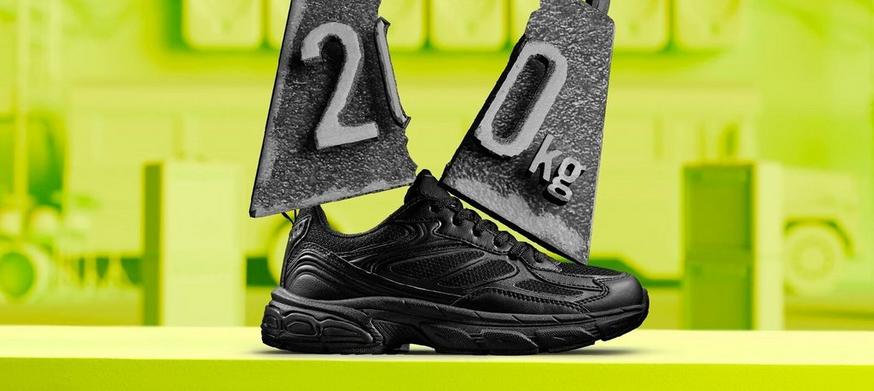
A good pair of shoes is worth looking after. Whether they are leather work shoes, everyday boots, summer sandals or a pair you reach for every weekend, the way you care for them can shape how long they stay in your rotation. Around Plastic Free July, that feels especially relevant, but repairing and caring for shoes is useful long after July ends.
Learning how to clean leather shoes, protect suede, manage odour and spot when a repair is worth it can help you get more wear from the footwear you already own. It can also make it easier to know when a pair needs professional attention, when a simple clean will do and when replacement is the more practical choice.
This guide explains how to think about shoe repair and resoling without overcomplicating it. Clarks is not a repair service, but Clarks’ expertise in footwear is built around quality, comfort and long-term wear. With the right care habits, the right materials and the right support from a skilled cobbler when needed, shoes can often do more than one season of work.
Key Takeaways
- Repairing shoes can help extend their life, reduce waste and make better use of footwear you already own.
- Not every shoe can be repaired or resoled, so check the sole, upper, stitching and overall structure before deciding.
- Resoling is usually a job for a professional cobbler, especially when the shoe is well made and the upper is still in good condition.
- Leather shoes last longer when they are cleaned, dried and conditioned with suitable care products.
- Suede shoes need gentle brushing, protection and careful drying rather than heavy cleaning.
- Shoe odour is easier to manage when shoes are aired, rotated and kept dry between wears.
- Choosing quality footwear and caring for it regularly can support a more considered approach to sustainable footwear.
Why Repairing Shoes Beats Replacing Them
Replacing shoes is sometimes necessary. If the structure has failed, the fit no longer works or the damage affects comfort and safety, a new pair may be the right answer. But many shoes are replaced before they really need to be, especially when the issue is scuffing, worn soles, light staining or a loss of freshness.
Repairing shoes can be a better option when the upper is still in good condition and the shoe still fits well. A new sole, heel repair, clean, polish or conditioning treatment can sometimes bring a pair back into regular use. This is especially true for leather footwear and well-made styles where the material is designed to age with care.
There is also a cost argument. A repair may be more affordable than buying a new pair, particularly if the shoes are already comfortable and suit your wardrobe. A trusted pair that fits well can be hard to replace, so repairing can make practical sense as well as environmental sense.
From a sustainability point of view, repair helps slow down the cycle of buying, wearing and discarding. It does not need to be framed as a perfect solution. It is simply a more considered habit: check what can be fixed before assuming a pair is finished.
The key is knowing what kind of issue you are dealing with. Some problems are easy to manage at home. Others are better handled by a cobbler. Some are signs that the shoe has reached the end of its useful life.
Can Your Shoes Be Repaired? What to Check First
Before deciding whether to repair or replace shoes, look at four areas: the sole, the heel, the upper and the fit.
Start with the sole. If the sole is worn thin, uneven or starting to separate from the upper, it may be repairable. A cobbler can advise whether the shoe can be resoled or whether a partial sole repair is possible. The answer often depends on how the shoe was made and how much structure remains.
Next, check the heel. Worn-down heels are common, especially on everyday shoes. If the heel is only partly worn, repair may be straightforward. If the wear has reached deeper into the structure, it may be harder or less worthwhile.
Then look at the upper, which is the main body of the shoe. Leather uppers can often be cleaned, conditioned and polished. Suede can often be brushed and refreshed. But deep cracks, torn material, damaged seams or misshapen uppers may be harder to fix.
Finally, check the fit. Repairing shoes only makes sense if they still fit properly. If they pinch, slip, rub or no longer support your foot, repairing the sole will not solve the bigger problem. Comfort should come before sentiment.
A simple rule helps: if the upper is sound, the fit is good and the damage is mainly to the sole or heel, repair may be worth exploring. If the shoe is uncomfortable, badly misshapen or damaged in several places, replacement may be the more practical choice.
How to Resole Shoes: What’s Involved
If you are wondering how to resole shoes, the first thing to know is that this is usually a professional job. Resoling means removing the worn sole and attaching a new one, either across the whole sole or in a specific section, depending on the shoe and the damage.
A cobbler will usually check the construction first. Some shoes are easier to resole than others. Stitched soles, certain leather shoes and some boots may be better candidates. Lightweight trainers, heavily bonded soles or very worn-out shoes may be more difficult, or not worth repairing.
The cobbler will also look at the upper. If the upper is in good condition, resoling can make sense. If the leather is cracked, the lining is damaged or the shoe has lost its shape, a new sole may not be enough to make the pair comfortable or durable again.
Cost matters too. Resoling can be good value when the original shoe is high quality, comfortable and still useful to you. If the repair costs close to the price of replacing the shoes, you may need to weigh up how much wear you will realistically get afterwards.
It is also worth asking what kind of sole will be used. A cobbler may be able to suggest a sole that matches the original feel, improves grip or suits the way you wear the shoe. This can be especially useful if the original sole wore down quickly or did not suit your everyday routine.
Resoling is not about making every shoe last forever. It is about recognising when a pair has more wear left in it and using skilled repair to extend that life.
How to Clean Leather Shoes?
Knowing how to clean leather shoes is one of the easiest ways to make footwear last longer. Leather needs regular care because dirt, water and dryness can all affect how it looks and feels over time.
Start by removing loose dirt with a soft brush or cloth. Do not scrub too hard, especially if the leather is marked or delicate. If the shoes are damp, let them dry naturally before cleaning. Avoid placing them next to a radiator or strong heat source, as direct heat can dry out leather and affect its shape.
Once the surface is clean, use a suitable leather cleaner or polish for the finish of the shoe. Apply a small amount and work it in gently, following the product guidance. A polish can help restore colour and add protection, while conditioning products can help keep leather supple.
This is where choosing the right leather care products matters. A product designed for smooth leather may not be right for suede or nubuck, so always check the material before applying anything.
After cleaning, let the shoes rest before wearing them again. If they have been exposed to rain, stuff them lightly with paper to help absorb moisture and support the shape while they dry. Do not overfill them, as that can stretch the material.
Regular light care is usually better than waiting until shoes are heavily marked. A quick wipe, polish and dry after wet or muddy days can help leather shoes stay wearable for longer.
How to Protect Suede Shoes?
Suede needs a gentler approach than smooth leather. If you are learning how to protect suede shoes, the main points are brushing, protecting and avoiding too much moisture.
Use a suede brush to remove loose dirt and lift the nap. Brush in one direction first, then gently work on any areas that look flattened or marked. Avoid using too much pressure, as suede can be more delicate than smooth leather.
Protection sprays can help reduce the impact of light rain and stains, but they do not make suede waterproof. Apply spray in a well-ventilated space and follow the product instructions. It is usually better to protect suede before the first wear, then repeat regularly depending on use.
If the suede gets wet, let it dry naturally. Do not use direct heat. Once dry, brush it gently to restore the texture. For stains, avoid soaking the shoe or applying household cleaners, as these can leave marks or change the colour.
Suede is not always the best choice for heavy rain, muddy fields or unpredictable weather. That does not mean it is impractical. It simply means it benefits from planning. Wear suede when the setting suits it, protect it before use and clean it carefully afterwards.
A little prevention goes a long way. Suede that is brushed and protected regularly will usually be easier to maintain than suede that is left until stains have settled deeply into the material.
How to Stop Shoes Smelling?
If you are wondering how to stop shoes from smelling, start with moisture. Odour usually builds when shoes stay damp inside, especially after long days, warm weather or repeated wear without enough airing time.
The simplest habit is rotation. Try not to wear the same pair every day if you can avoid it. Giving shoes time to air between wears helps moisture escape and reduces the conditions that cause odour.
Socks matter too. Clean, breathable socks can help absorb moisture and keep shoes fresher. If you wear shoes without socks, consider no-show socks or removable insoles where appropriate, especially in summer.
After wearing, loosen fastenings and let the shoes air in a dry place. Do not leave damp shoes in a gym bag, car boot or closed cupboard. If they are wet from rain, stuff them lightly with paper and let them dry naturally.
For stronger odour, removable insoles may need cleaning or replacing, depending on the shoe. Some shoe deodorising products can help, but they work best alongside good drying habits. Spraying fragrance into a damp shoe may mask the smell for a while, but it will not solve the cause.
Odour is not always a sign that shoes are ruined. In many cases, better airing, rotation and moisture control can bring them back into regular wear.
Everyday Habits That Make Shoes Last Longer
The easiest shoe care is the care you do regularly. Small habits can make a big difference, especially for shoes you wear often.
Rotate your shoes where possible. Wearing the same pair every day gives them less time to dry and recover. Even alternating between two pairs can help both last longer.
Dry shoes properly after rain. Remove surface moisture with a cloth, loosen fastenings and let them dry at room temperature. Avoid direct heat, which can damage leather, suede and other materials.
Store shoes with care. Keep them somewhere dry and ventilated, rather than crushed under heavier items. Shoe trees can help some leather shoes hold their shape, while paper can be useful for short-term drying.
Clean marks early. Dirt and salt can be harder to remove once they settle. A quick wipe after wear is much easier than a full clean weeks later.
Use the right shoe care for the material. Brushes, polish, protector sprays and cloths all have different roles, and using the wrong product can sometimes do more harm than good.
Pay attention to how the shoes feel. If soles become slippery, heels wear unevenly or the upper starts rubbing, act early. A small repair may be easier than waiting until the problem affects the whole shoe.
Choosing Footwear Built to Last
Repair and care both start with the original shoe. Some footwear is better suited to long-term wear because of the materials, construction and comfort built into it from the beginning.
Leather is often a strong choice for longevity because it can be cleaned, conditioned and cared for over time. It can also soften with wear, which helps a well-fitting pair become part of everyday life. If you are looking for options designed around this kind of material value, men’s leather shoes and women’s leather shoes are natural places to explore.
Construction matters too. A shoe that feels supportive, secure and well finished is more likely to earn repeated wear. Comfort is part of sustainability in a practical sense. If a shoe is uncomfortable, it may sit unused, no matter how good it looks.
There is also value in choosing styles that work across more than one setting. A pair that can be worn to work, at the weekend and for evenings out will usually justify its place more easily than something that only works once or twice.
For people who value distinctive design and long wear, Clarks Originals can also sit naturally in this conversation. Styles such as the Clarks Wallabee™ and Desert Boot are often chosen because they become part of a regular rotation, not because they are worn once and forgotten.
Sustainable footwear is not only about what a shoe is made from. It is also about how often it is worn, how well it is cared for and whether it can stay useful for longer. You can read more about sustainability at Clarks as part of that wider conversation.
Care, Repair, Wear Again
Repairing and caring for shoes is not about keeping every pair forever. It is about making better decisions before replacing them. Can the sole be repaired? Can the leather be cleaned? Can the suede be protected? Can odour be managed with better drying and rotation? Sometimes the answer is yes.
A good pair of shoes should support real life: walking, commuting, working, travelling, going out, getting caught in rain and being worn again the next week. Care helps them keep doing that.
Plastic Free July is a useful reminder to think about what we already own, but the habit works all year. Clean regularly. Dry carefully. Rotate where you can. Ask a cobbler when repair might be worth it. Choose quality when you buy.
The most useful shoes are the ones that keep earning their place. Care for them well, repair them when it makes sense and wear them again.
FAQs about Repairing and Caring for Shoes
Q: Is It Worth Repairing Shoes Instead of Replacing Them?
A: It can be worth repairing shoes if they still fit well, feel comfortable and have a sound upper. Sole, heel and minor surface repairs can often extend the life of a good pair. If the shoe is badly misshapen, uncomfortable or damaged in several areas, replacement may be more practical.
Q: Can All Shoes Be Resoled?
A: No, not all shoes can be resoled. It depends on the construction, the material and the condition of the upper. A professional cobbler can tell you whether resoling is possible and whether the repair is likely to be good value.
Q: How Much Does It Cost to Resole Shoes?
A: The cost of resoling shoes varies depending on the shoe, the sole type and the repair needed. A simple repair may cost much less than a full resole. It is worth comparing the repair cost with how much wear you expect to get from the shoes afterwards.
Q: How Do I Clean Leather Shoes at Home?
A: Remove loose dirt with a soft brush or cloth, let damp shoes dry naturally and then apply a suitable cleaner, polish or conditioner for the leather type. Avoid direct heat, harsh household cleaners and soaking the shoe. Regular light cleaning is better than waiting until the leather is heavily marked.
Q: How Do I Stop My Shoes From Smelling?
A: Let shoes dry fully between wears, rotate pairs where possible and wear clean, breathable socks. Remove or air insoles if the shoe allows it. Odour usually builds when moisture is trapped, so drying and ventilation are the most important habits.
Q: How Can I Make My Shoes Last Longer?
A: Rotate your shoes, clean them regularly, protect the right materials and dry them carefully after rain. Store them in a dry, ventilated space and deal with small repairs early. Choosing quality footwear that fits well also makes long-term wear more likely.
Q: How Do I Know if My Child’s School Shoes Fit Properly?
A: Use a suede protector spray before the first wear, then brush the shoes regularly with a suede brush. Avoid wearing suede in heavy rain or muddy conditions when possible. If suede gets wet, let it dry naturally and brush it gently once dry.