Starting Secondary School: The Year 7 School Shoe Guide
Published on:
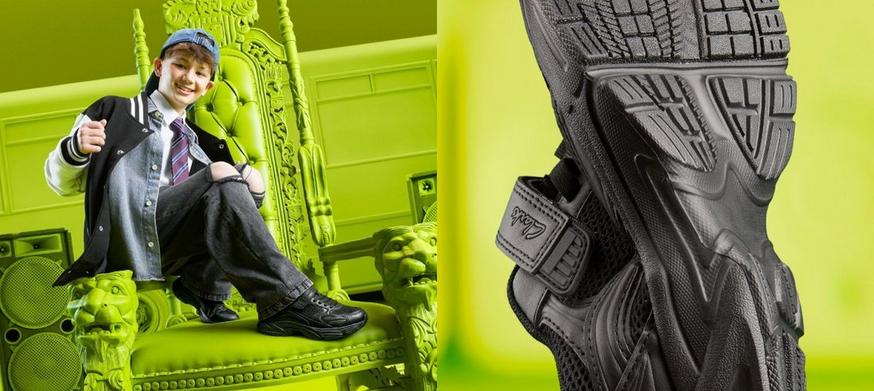
Starting secondary school changes a lot. There is a bigger building to navigate, a new timetable, more independence, different rules and usually a much clearer uniform policy. Somewhere in that transition, parents also have to make a practical decision: what kind of secondary school shoes will actually work for Year 7?
This is not the same as buying primary school shoes. By Year 7, children may be walking further, carrying more, moving between classrooms and spending longer days in the same pair of shoes. They may also have stronger opinions about what they will wear, especially when they are joining a new year group and starting to notice what everyone else has on.
The right pair needs to balance several things at once: school rules, comfort, durability, fit and your child’s growing independence. This guide explains what changes when children move up to secondary school, what to check before buying and how to choose year 7 school shoes with more confidence.
Key Takeaways
- Secondary school shoes usually need to meet stricter uniform rules than primary school shoes.
- Year 7 often means longer days, more walking between classrooms and greater need for durability.
- Fit still matters at this stage because children’s feet are growing, even when they look close to adult shape.
- Many children want shoes that feel more grown-up, while parents still need comfort and school approval.
- Black leather or leather-look styles are common, but every school sets its own footwear rules.
- Measuring length and width gives a better result than relying on age, old size or guesswork.
- Buying secondary school shoes is easier when you check the rules first, then choose for fit, comfort and daily wear.
What Changes When Moving From Primary to Secondary School
The move from primary to secondary school is one of the biggest changes in a child’s school life. The school day often feels more structured, the site may be larger and children are expected to move around more independently. Instead of staying mostly in one classroom, they may walk between lessons, queue for lunch, carry heavier bags and manage their own timetable.
Shoes have to keep up with that change. A pair that worked well in Year 6 may not be the best choice for Year 7, even if it still fits. Secondary school routines place different demands on footwear, especially when children are doing more walking across the day.
There is also a change in how children think about shoes. At primary school, comfort and fastening may have been the main focus. At secondary school, many children start to care more about how their shoes look. They may want something that feels less young, more understated or closer to what older pupils wear.
For parents, that can create a balancing act. The shoes need to follow the rules, feel comfortable and last as long as possible. But they also need to be acceptable to the person wearing them every day. If your child dislikes the pair from the start, school mornings may become harder than they need to be.
This is why the Year 7 shoe decision is best treated as a transition decision, not just another back-to-school purchase. The right pair should support the practical reality of secondary school and help your child feel ready for the new routine.
Understanding Secondary School Shoe Rules
Secondary schools often have clearer footwear rules than primary schools. They may specify colour, material, fastening, sole type or whether trainer-style shoes are allowed. Some schools ask for plain black shoes. Others may allow black trainers if they look smart enough. Some are very strict about logos, coloured details, chunky soles or canvas styles.
Before buying, check the school guidance carefully. Do not rely on what worked at primary school or what another school allows. Secondary schools can be specific, and a pair that looks sensible to a parent may still fall outside the rules.
This is where the secondary school uniform list matters. Footwear may be only one line on the list, but it can be one of the most expensive items to get wrong. If the school says black leather shoes, that usually means avoiding obvious sports trainers, bright branding, coloured soles or casual canvas pairs.
It can help to read the wording closely. “Plain black shoes” may not mean the same thing as “black leather shoes”. “No trainers” may include styles that look like trainers even if they are black. If anything is unclear, it is worth checking with the school before buying.
Parents often think first about price, fit and durability, which is understandable. But for Year 7, school approval has to come early in the decision. Once you know what is allowed, you can narrow the options and focus on what will be comfortable enough for everyday wear.
For parents working through the wider checklist, the school uniform page can be a useful place to think about footwear alongside the rest of the term-time essentials.
What to Look for in Secondary School Shoes?
When choosing secondary school shoes, start with the reality of the school day. Year 7 pupils may spend a lot more time walking than they did in primary school. They may move between classrooms, climb stairs, travel by bus or walk further to and from school. Shoes need to be ready for that daily use.
Durability is one of the biggest priorities. Look for shoes that can handle regular wear, scuffs, wet weather and long days without losing shape too quickly. Reinforced areas, secure soles and materials that are easy to care for can all make a difference.
Comfort is just as important. A shoe can meet the rules and look right, but if it rubs or feels stiff, it will not be a good everyday choice. Year 7 pupils are often in their shoes for long stretches, so the fit needs to feel comfortable from the morning journey through to the end of the school day.
Support matters too. Children at this stage may look more grown-up, but their feet are still developing. A secure heel, enough room at the toes and a fit that does not press across the foot can all help the shoe feel better through a full week.
The style should also feel appropriate for the move to secondary school. Many children prefer shoes that feel smarter and less like their primary school pair. For some, that might mean a lace-up style. For others, it may mean a clean black shoe with a simple fastening and minimal detail.
If the school allows gendered categories and your child wants to browse by those sections, older boys’ school shoes and older girls’ school shoes can help narrow the choice while still keeping fit, comfort and rules at the centre of the decision.
Fit and Sizing at This Age
Many parents search for kids shoe size by age around the secondary school transition, especially if their child has grown quickly. Age can give a rough guide, but it should not be the deciding factor. At Year 7, children can vary widely in height, build and foot size, even within the same class.
Some children will still be in junior sizes. Others may be moving towards adult sizes. Some may have narrow feet, while others need a wider fit. This is why measuring matters more than assuming based on age or buying the same size as last term.
Fit should be checked in both length and width. If the shoes are too short, toes may press at the front. If they are too narrow, the shoe may feel tight across the foot. If they are too wide or too long, the heel may slip and cause rubbing.
It is also worth checking fit with the socks your child will actually wear to school. Thicker socks can change how a shoe feels, while thinner socks may make a pair feel looser. Small details like this can affect comfort over a long school day.
A growth spurt can also change the timing. Some children grow steadily, while others seem to need new shoes suddenly. If your child complains that their shoes feel tight, starts walking differently or takes shoes off as soon as they get home, check the fit rather than waiting for the next planned shopping trip.
For home checks, the school shoe size calculator can help you understand the next size to consider once you have measurements. If you want extra reassurance, an in-store fitting appointment can help confirm length, width and overall fit before term starts. This is where Clarks’ 200 years of children's footwear knowledge and biomechanics research informed by 1,200 3D foot scans make a difference, alongside width fittings and the Fit Guarantee.
Balancing Comfort, Durability and What Your Child Wants
Year 7 can be a sensitive time for school shoes. Children are often trying to settle into a new environment, make friends and feel like they belong. Shoes are not the whole story, but they can matter more to your child than you expect.
That does not mean parents should ignore comfort or school rules. It means the decision usually works better when your child feels involved. If they have a choice between two school-approved pairs, they are more likely to feel comfortable wearing the one they helped choose.
This is especially useful if your child is moving from easy-fastening primary shoes to lace-ups or a smarter secondary style. A new shoe can feel like part of growing up, but it should not feel uncomfortable or difficult to manage.
Try to separate personal preference from practical need. Your child may prefer a certain shape, finish or fastening. You may be focused on durability, cost and whether the school will approve it. Both sides matter. The best pair is usually the one that sits between the two: practical enough for you, acceptable enough for them.
It can help to agree on non-negotiables first. The shoe must meet school rules, fit properly and feel comfortable. After that, your child can have more say on the details. This keeps the choice manageable without turning it into a disagreement.
Comfort should never be treated as optional. If a pair looks right but feels wrong, it is unlikely to work across a full school week. Year 7 shoes need to support walking, standing, stairs, travel and after-school routines, not just the first try-on.
Should You Buy a Backup Pair?
Some parents wonder whether it is worth buying a second pair of secondary school shoes. There is no single right answer, because it depends on your child, your budget and how hard they are on footwear.
A backup pair can be useful if your child walks a long way to school, has a history of wearing through shoes quickly or attends a school with strict footwear rules where replacements need to be found quickly. It can also help during wet weather, giving the main pair time to dry properly.
But there are downsides. Children can grow quickly at this stage, so a second pair bought too early may be outgrown before it is needed. If your child is between sizes, or still growing fast, it may be better to wait and replace shoes when the fit actually changes.
A good compromise is to keep the details of an approved style to hand. That way, if shoes need replacing mid-term, you know where to start. You can also check fit regularly so you are not caught out by sudden discomfort.
If you do buy a backup pair, make sure it fits properly when your child is ready to wear it. Do not assume it will still fit because it was bought in advance. Feet can change enough across a term to affect comfort.
For many families, one well-fitted main pair is enough. The priority is choosing a pair that can handle daily secondary school use and checking regularly that it still fits.
When to Replace Secondary School Shoes?
Secondary school shoes should be replaced when they no longer fit properly, no longer meet the school’s expectations or are too worn to support everyday use. The timing will not be the same for every child.
Fit changes are the most important sign. If toes are pressing at the front, the heel is rubbing or the shoe feels tight across the foot, it is time to measure again. Do not wait for visible damage if your child is uncomfortable.
Wear is another factor. Look at the soles, heels, uppers and seams. If the sole is coming away, the heel is badly worn or the shoe has lost its structure, it may not be doing its job. Scuffs are normal, but damage that affects support or comfort should not be ignored.
School rules can also play a part. A pair that becomes too worn, too casual-looking or visibly damaged may no longer be acceptable, even if your child says it still feels fine. This is especially important in stricter secondary schools.
Many Year 7 pupils will need shoes checked during the term, not just before September. Longer days, more walking and fast-growing feet can all shorten the life of a pair. Regular checks help you catch issues before they become uncomfortable.
If your child has recently had a growth spurt, started walking further to school or changed socks for winter, it is worth checking fit again. Small changes can affect how shoes feel.
A Confident Start to Secondary School
Choosing school shoes for Year 7 is about more than finding a pair that looks right on the first day. It is about supporting a new routine, a longer school day, stricter rules and a child who may be starting to care more about their own choices.
Start with the school’s footwear policy, then focus on fit. Measure both length and width, check the shoe with school socks and watch how your child walks in the pair. If they are uncomfortable in the shop or at home, they are unlikely to feel better after a full day at school.
Durability matters, but so does your child’s confidence. A pair that meets the rules, feels comfortable and looks acceptable to them can make the transition feel a little easier.
For parents comparing options across the wider back-to-school range, kids' school shoes can help bring different school stages together in one place.
Secondary school is a big step. The right shoes will not solve every worry, but they can remove one practical problem from the first few weeks. And when your child is walking into a new school, that reassurance is worth having.
FAQs about Year 7 School Shoes
Q: What Shoes Does My Child Need for Starting Secondary School?
A: Most children need a pair of school-approved black shoes, but the exact rules depend on the school. Check the footwear policy before buying, especially around trainers, logos, material and sole style. Once you know what is allowed, choose for fit, comfort and durability.
Q: What Are the Usual Secondary School Shoe Rules?
A: Many secondary schools ask for plain black shoes, often in leather or leather-look materials. Some schools do not allow trainers, canvas shoes, coloured soles or visible branding. The wording can vary, so always check your child’s own school uniform guidance.
Q: How Are Year 7 School Shoes Different From Primary School Shoes?
A: Year 7 school shoes often need to be smarter, more durable and suitable for longer days. Children may walk further, move between more classrooms and have stricter uniform rules. They may also want shoes that feel more grown-up than their primary school pair.
Q: What Size Shoes Does an 11 Year Old Usually Wear?
A: There is a wide range, so age alone is not reliable. Some 11 year olds are still in junior sizes, while others may be moving towards adult sizes. Measuring length and width is the best way to choose the right fit.
Q: How Long Should Secondary School Shoes Last?
A: It depends on growth, wear and how much walking your child does each day. Some children may get through a full term or longer, while others may need shoes replaced sooner. Regular fit and wear checks are the safest way to judge.
Q: Do Secondary Schools Allow Trainers?
A: Some do, but many do not. Even when black trainers are allowed, schools may have rules around logos, soles or sports-style details. Check the footwear policy before buying trainer-style school shoes.
Q: How Do I Know if My Child’s School Shoes Fit Properly?
A: The heel should feel secure, the toes should have enough room and the shoe should not press across the foot. Your child should be able to walk naturally without rubbing, slipping or discomfort. If you are unsure, a fitting appointment can help confirm the size and width.