Sun, Sand and Soles: Choosing Children's Holiday Shoes for Hot Destinations
Published on:
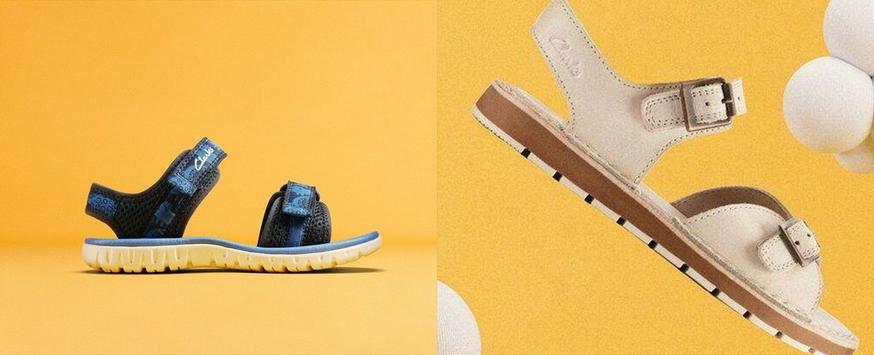
Packing for a hot destination changes the footwear question. Parents deciding what shoes to take on holiday for kids need options that stay secure in higher temperatures, work across travel and activity days, and can recover from sand, dust or the occasional splash. The answer is not a long product list. It is a small set of pairs chosen for the plans you actually have. Hot weather can also make feet feel fuller, so fit needs checking rather than assuming last month’s size still works. This guide focuses on holidays abroad, with practical guidance on sandal fit, closed and open toe choices, rubbing, travel days and how many pairs are genuinely useful. For changeable UK spring days, use our May Half Term spring footwear guide instead.
Key Takeaways
- Pack for the activities on the itinerary rather than trying to find one pair for every setting.
- Check fit shortly before travel because heat and recent growth can change how shoes feel.
- Children’s sandals should have around 10 mm of growing room while remaining secure at the heel and straps.
- Closed toe sandals give more coverage, while open toe styles can feel cooler for relaxed plans.
- Straps should hold the foot without rubbing, and a painful pair is not a holiday break-in project.
- Beach and poolside footwear needs to suit water, hot surfaces and the manufacturer’s care guidance.
- Many children can manage a family holiday with two or three carefully chosen pairs.
What Shoes to Take on Holiday for Kids
Begin with three questions: how much walking is planned, what surfaces will your child use and where will footwear get wet? A city break may need a secure closed shoe for long distances. A resort holiday may place more emphasis on sandals and poolside use. A mixed trip needs a pair that can handle travel and exploring, plus a lighter option for relaxed hours.
For many families, the core set is a comfortable closed shoe, a secure sandal and any purpose-specific footwear required by the accommodation or activity provider. The closed shoe covers airports, longer walks and cooler evenings. The sandal handles warm, dry days. A third pair is useful when one pair is likely to get wet or when an activity has its own footwear rules.
Avoid packing a pair simply because it matches one outfit. Children need footwear that stays on during movement and works with the ground beneath them. A pair that is suitable for a short meal may not be suitable for a day of sightseeing, and a soft poolside style may not be designed for outdoor walking.
Check the product guidance before exposing footwear to salt water, chlorine or repeated soaking. Not every sandal is made for water. When the itinerary includes water activities, confirm the provider’s requirements and choose footwear designed for that use rather than assuming any summer shoe will cope.
Why Feet Change in Hot Weather
Parents often ask, do children’s feet swell in hot weather? Feet can feel temporarily fuller in higher temperatures, after long periods of walking or during travel. The change may be small, but a strap or upper that feels close at home can begin to press later in the day.
Try holiday footwear with the child standing and walking, preferably at a time when their feet are not at their smallest. Check both feet in length and width. Do not create extra space by buying several sizes ahead, because a loose shoe can slide and rub. The aim is an appropriate growing room within a secure fit.
Clarks kids' foot measuring gauges can help you check length and width before the trip. Enter the measurements into the shoe size calculator to identify a starting size, then check the actual pair. Shoe shape, straps and material still affect the final fit.
Recheck footwear that has been stored since the previous holiday. Children may have grown even when the pair still looks unused. Ask specific questions about pressure and watch the way they walk. Red marks, toe gripping, heel movement or reluctance to wear the pair are reasons to reassess it before departure.
Getting Sandal Fit Right
How much room should kids’ sandals have? Clarks’ current fit guidance is around 10 mm from the longest toe for sandals and pre-walking styles. That room supports movement and growth, but the foot should not slide forward or sideways.
Check that the heel sits in the intended area of the sole and that the toes remain on the footbed when the child walks. The straps should hold the foot without leaving deep marks. If a riptape strap barely reaches or has to be pulled tightly, the width or shape may not be right.
An adjustable fastening is useful when feet feel fuller later in the day. Loosen it enough to remove pressure, but keep the foot secure. Buckles should close at a comfortable point with room for adjustment. A back strap should stay in place without cutting into the heel.
The kids' sandals collection includes different constructions for warm-weather plans. Fit, activity and your child's preference matter more than the category label, so use girls' sandals and boys' sandals to narrow the list rather than to make the decision.
Closed Toe or Open Toe?
The choice between closed toe or open toe sandals for children depends on the activity and terrain. Closed toe sandals give more coverage at the front, which can be useful on paths, playgrounds or days involving active movement. They may also help keep small stones away from the toes, though sand can still enter through side openings.
Open toe sandals allow more airflow and can suit relaxed days on even surfaces. They leave the toes more exposed, so they are less suited to rough ground, crowded activities or situations where the child is likely to kick against steps and edges.
Neither option is automatically better. Check the sole for grip, the fastening for security and the upper for pressure points. Think about whether the child will walk for ten minutes or several hours. The same family may choose closed toe coverage for an excursion and an open toe pair for dinner near the hotel.
Stopping Straps From Rubbing
To understand how to stop sandals rubbing children’s feet, find out why the rubbing starts. A loose sandal can move with every step. A tight strap can press into the skin. Heat, sand and moisture can increase friction, especially around the heel, the sides of the foot and the edge of a toe strap.
Let your child wear the sandals indoors on a clean surface before the trip. Fasten them as intended and check after a short walk. If a hot spot develops, adjust the strap and check the size. Do not rely on a painful area becoming comfortable after several holiday days.
Keep feet and sandals as clean and dry as the setting allows. Sand trapped under a strap can rub quickly, so rinse or brush it away according to the care instructions. Avoid applying adhesive pads in a way that crowds the shoe or changes the fit.
If the sandal repeatedly rubs in the same place despite correct fastening, it may be the wrong shape for the foot. Returning or exchanging it before travel is more practical than packing a pair your child already avoids.
Beach, Pool and Poolside Days
Beach and pool days combine hot surfaces, water and changing grip. Bare feet can be uncomfortable on heated paving or rough ground, while wet footwear can become slippery or heavy. Follow the venue’s rules and choose footwear designed for the activity.
Do not assume a leather sandal or everyday shoe can be submerged. Check the product description and care guidance. Salt water and chlorine can affect materials, colour, fastenings and adhesives. If a pair gets wet unexpectedly, rinse only when the product guidance permits and let it dry naturally away from direct heat.
For the beach, think about the route as well as the sand. A long walk from the accommodation may call for a secure pair, even if the child changes footwear near the water. For poolside areas, grip and a fastening that stays on matter more than a shoe that can be kicked off quickly.
Travel Days: Airports, Transfers and Long Journeys
Use familiar, secure footwear for airports and transfers, especially when the journey includes security queues, long walks through terminals and time spent sitting still. Feet can feel fuller on longer journeys, so avoid pairs that already press at the toes, straps or heel. Choose footwear that stays secure when children are walking quickly, but is still quick to remove and refasten if the airport process requires it. Adjustable riptape, buckles or laces can all work when the child can manage them without rushing. If the first day involves walking straight from travel into sightseeing, use the pair that has already been tested at home.
How Many Pairs to Pack
How many pairs of shoes for a family holiday depends on the itinerary, but many children can manage with two or three. One secure pair covers travel and longer walking. One sandal covers warm, dry plans. A third pair earns its place when footwear will get wet, when an organised activity has requirements or when there is no realistic drying time.
Pack fewer pairs by choosing overlap. A comfortable closed shoe can handle the airport and sightseeing. A secure sandal can work for daytime and relaxed evenings. Avoid several pairs that all do the same job while leaving a genuine activity uncovered.
Consider drying time and luggage limits. A spare is helpful when the main pair becomes soaked, but every spare must fit properly. An old pair that is too small or a new pair that has not been tested is not reliable backup footwear.
Looking After Holiday Shoes and Checking Fit at Home
Remove sand and surface dirt regularly, following the material guidance. Loosen fastenings and let damp pairs dry naturally in a ventilated place. Stuffing a shoe lightly with plain paper can help absorb moisture, but do not overfill it or place it beside direct heat.
Use appropriate shoe care products once the shoes are dry. Smooth leather, suede, textiles and synthetic materials need different care, so check before applying a cleaner or protector.
Measure again when you return, especially when the holiday sits close to the new school term. Growth, long days and a change in socks can all affect the next footwear decision. A pair that worked on the trip may still need checking before it becomes part of an everyday routine.
Packing Fewer Pairs, Walking More Comfortably
Children's holiday shoes work best when each pair has a clear purpose. Choose the itinerary, check fit in warm conditions and test every pair before it goes into the case. Secure footwear lets children focus on the day rather than a slipping heel or rubbing strap.
A small, practical set is usually stronger than an overfilled suitcase. One walking pair, one sandal and a purpose-specific option where needed can cover most family plans. Fit, activity and care should make the decision, not the number of outfits in the bag.
FAQs about Children's Holiday Shoes
What shoes should I take on holiday for my child?
Pack a secure pair for travel and longer walking, plus a well-fitted sandal for hot, dry days. Add a third pair when an activity requires specific footwear or when one pair is likely to get wet. Test every pair before travelling.
Do children's feet swell in hot weather?
Children’s feet can feel temporarily fuller in heat, after long walking or during travel. Check straps and width later in the day and adjust fastenings without making the shoe loose. Persistent swelling needs medical advice.
How much room should children's sandals have?
Clarks’ fit guidance recommends around 10 mm from the longest toe for sandals. The heel and straps should still hold the foot securely, and the toes should remain on the footbed when the child walks.
Are closed toe or open toe sandals better for children?
Closed toe sandals give more front coverage and can suit active days or rougher surfaces. Open toe sandals may feel cooler for relaxed plans on even ground. Choose according to the activity, grip and secure fit.
How do I stop my child's sandals from rubbing?
Check for heel movement, tight straps and trapped sand. Test the sandals indoors, adjust the fastening and stop if a hot spot develops. Repeated rubbing can mean the shape, size or width is wrong.
How many pairs of shoes should I pack for a child?
Two or three pairs are enough for many family holidays. A closed walking pair and a secure sandal cover most plans, with a third pair for water, organised activities or drying time. Every pair should fit before it is packed.
Should I check my child's shoe size after the summer holidays?
Yes, check length and width after the holiday and before the school term. Children may grow during the break, and a pair that fits earlier may feel different after travel or with school socks. Measure both feet and check the actual shoes.