Bonfire Night and Beyond: How to Choose Warm, Waterproof Boots
Published on:
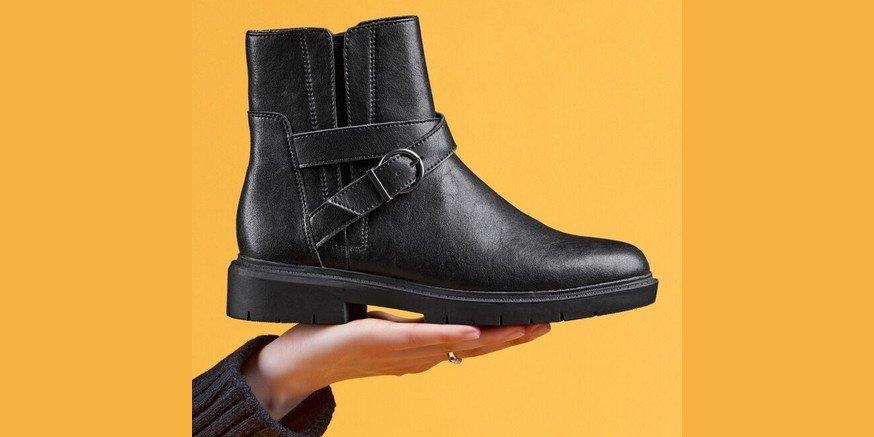
Bonfire Night has a particular way of testing footwear. You can spend far longer standing still on wet grass than you expected, with cold ground underfoot and damp creeping in from the edges. A practical Bonfire Night outfit starts from the ground up, with boots and socks chosen for the conditions.
The same questions continue through the colder months. Is a boot actually waterproof or water-resistant? Can leather or suede cope with rain? How do you add protection without expecting a care product to do a job the boot was never built to do?
Why Feet Get Cold on a Fireworks Night
Standing outside feels different from walking through the same conditions. When you’re standing still, your feet aren’t generating the warmth that walking would, and cold ground draws heat away through the sole.
A thin sole gives less separation from the ground, while damp socks can make a cold evening feel more uncomfortable. That is why warmth is not about one feature. The lining, sole, socks and fit need to work together.
Waterproof vs Water Resistant: What the Labels Mean
Waterproof vs water resistant is more than a wording choice: the two labels describe different levels of protection.
A waterproof boot is built to keep water out. That typically involves a waterproof membrane and construction designed to reduce the places where water can enter, including protected or sealed seams.
A water-resistant boot gives a lower level of protection. The upper can shed showers and short periods of contact with moisture, but sustained rain or prolonged contact with wet ground can eventually allow water through.
That distinction matters through a British winter. A water-resistant pair may suit short journeys in light rain, while longer periods outdoors in sustained wet conditions ask more from the footwear.
A care treatment does not change that underlying construction. A protector can improve water resistance, but it can’t turn a boot that was not built as waterproof footwear into a waterproof boot.
Key Takeaways
- Waterproof boots are built to keep water out, while water-resistant boots are intended for lighter exposure to moisture.
- A protector can improve water resistance but cannot make a non-waterproof boot waterproof.
- Leather and suede are not automatically waterproof, so check the individual product description.
- Warmth depends on lining, sole thickness, socks and fit working together.
- Winter socks need enough space inside the boot, because a thicker sock that makes the fit tight can leave feet feeling colder.
Are Leather and Suede Boots Waterproof?
Are leather boots waterproof? Not automatically. Leather can cope with some moisture, particularly when it is cared for correctly, but the material alone does not tell you whether a finished boot will keep water out.
Water can enter through seams, fastenings and other parts of the construction. If waterproof performance matters, look for it in the individual product description rather than assuming a leather upper provides it.
Are suede boots waterproof? The same principle applies. Suede needs material-specific care, and a suitable protector can improve its resistance to light moisture. That still does not make an ordinary suede boot waterproof.
Chelsea boots follow the same rule. Their higher ankle gives more coverage than a shoe, but the shape tells you nothing about waterproof performance. If Chelsea boots are part of your autumn wardrobe, our guide on how to style Chelsea boots covers the styling side separately.
How to Waterproof Boots
When people talk about how to waterproof boots, they usually mean adding a protective treatment. What that treatment actually does is improve water resistance.
Always check the material first, then follow the instructions on the footwear and the care product.
Protecting Leather Boots
- Remove surface dirt. Brush off dried mud and wipe the upper with a damp cloth.
- Let the boots dry fully. Apply treatment to dry footwear unless the care product states otherwise.
- Choose a product made for the material. Check that the protector is suitable for the exact leather finish.
- Test an inconspicuous area. Check for a change in colour or finish before treating the whole upper.
- Apply according to the product instructions. Coverage, application distance and drying time can vary.
- Reapply according to the guidance. Wear, cleaning and repeated wet-weather use can reduce the effect of a treatment over time.
Clarks shoe care products cover different materials and care needs. A protector supports the upper. It does not add a waterproof membrane or seal every part of the construction.
Protecting Suede Boots
- Brush away dry surface dirt. Use a brush intended for suede and work gently.
- Make sure the suede is dry. Moisture should not be trapped beneath the treatment.
- Choose a suede-compatible protector. A product intended for smooth leather may not be suitable.
- Patch test first. Check an area that is not prominent before applying the product more widely.
- Apply as directed. Follow the instructions for coverage and drying time.
- Repeat according to the product guidance. How often protection needs renewing depends on the product and wear.
The treatment improves resistance to moisture. It does not change a non-waterproof suede boot into waterproof footwear.
What Actually Keeps Feet Warm?
If you are working out how to keep feet warm, look at the whole boot rather than one feature.
A lining can provide extra insulation around the foot. How much you need depends on how cold it is, how long you will be outdoors and whether you will be walking or standing.
The sole matters too. More material between the foot and cold ground can make a difference during long periods outside.
Socks are the next part of the system. When considering the best socks for cold feet, look at both material and thickness. Wool-rich and thermal blends are common choices for colder conditions, but the sock still needs to fit comfortably inside the boot.
A thicker sock can work against you if it makes the footwear tight. Your toes should still have space to move and the boot should feel secure without squeezing.
Choosing a Pair for the Dark-Evening Season
Start with the conditions the boots will actually face. A paved commute, a wet dog walk and several hours outdoors place different demands on footwear.
- whether the product is waterproof, water-resistant or neither
- the sole and grip for wet leaves and pavements
- the height and coverage you need
- whether the lining suits the conditions
- how the boots fit with the socks you intend to wear
When browsing women’s boots, use the checklist above and look for “waterproof” in the product description rather than judging by material or shape.
The same applies when browsing men's boots. Leather, ankle height or a substantial-looking sole does not confirm waterproof performance.
For children, lined kids' boots can make sense when they will spend more time standing or walking outside in cold weather. Wellies can be more practical when mud and puddles are the main concern. Check each pair for the features you need rather than treating either category as a guarantee of warmth or waterproofing.
Looking After Boots Through Winter
Wet boots need time to dry naturally. Keep them away from radiators and concentrated heat, and use our guide on how to dry wet shoes when a pair becomes thoroughly soaked.
Deal with salt and surface marks according to the material rather than using the same care method on leather and suede. Rotation can also help when the weather stays wet, giving each pair time to dry fully between wears.
Inspect the soles, heels, seams and uppers as winter progresses. If the upper remains in good condition but the sole or heel has worn, our repair and resole guide explains when professional repair may be worth considering.
FAQs about Warm and Waterproof Boots
Q: What Should You Wear on Your Feet to Bonfire Night?
A: Choose footwear for cold ground, damp conditions and the amount of time you expect to spend outside. Look for appropriate weather protection, enough sole between your foot and the ground, and room for the socks you plan to wear.
Q: Can You Make Leather Boots Waterproof?
A: A suitable treatment can improve the water resistance of leather, but it cannot turn a non-waterproof boot into a waterproof one. Waterproof performance depends on the construction of the footwear.
Q: What Is the Difference Between Waterproof and Water-Resistant Boots?
A: Waterproof boots are constructed to keep water out, typically using a membrane and protected construction. Water-resistant footwear can cope with lighter exposure to moisture but may allow water through during sustained wet conditions.
Q: How Do You Keep Your Feet Warm in Boots?
A: Look at the lining, sole, socks and fit them together. Choose socks that suit the conditions but still leave enough room inside the boot. A thicker sock that makes the boot tight can make feet feel colder.
Q: Are Suede Boots OK in the Rain?
A: Suede can cope better with occasional moisture when treated with a suitable protector, but it is not automatically waterproof. Check the product description if you need waterproof performance and follow suede-specific care instructions.