Chelsea Boot Season: How to Style Them for Work, Weekend and Everything Between
Published on:
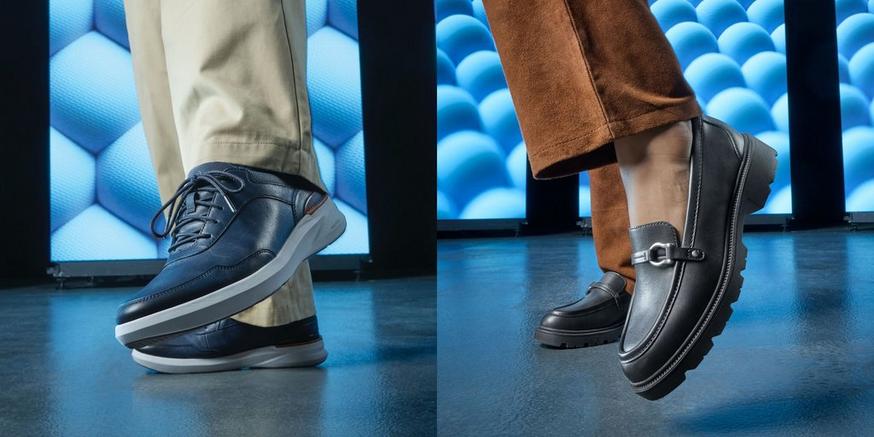
Few boots move between different parts of the week as naturally as a Chelsea boot. The same clean ankle shape can sit under tailored trousers on Monday, work with denim at the weekend and carry into an evening without needing a complete rethink.
If you are deciding what to wear with Chelsea boots this autumn, the starting point is proportion. Trouser length, denim cut, dress hem and even sock choice all affect how the boot looks. Get those details right and one pair can cover far more than one kind of plan.
Key Takeaways
- Chelsea boots work across workwear, denim, dresses and weekend layers because their clean ankle line adapts to different proportions.
- With trousers or jeans, aim for a hem that either clears the top of the boot or falls cleanly over the shaft without bunching.
- Smooth leather usually reads smarter for office wear, while suede can give weekend outfits a softer, more relaxed finish.
- Socks should stay practical first, with enough coverage to prevent the boot edge rubbing and colours that work with the trousers or tights above.
- Fit matters across the instep and heel, because a Chelsea boot relies on its shape and elastic panels rather than laces for adjustment.
What Makes a Chelsea Boot a Chelsea Boot?
What are Chelsea boots, exactly? The defining details are an ankle-height shape, elasticated side panels and a pull-on construction, often finished with a tab at the back. The lack of laces or a visible fastening gives the boot its clean line around the ankle.
The style has British roots stretching back to the Victorian period, when elastic-sided ankle boots developed as practical pull-on footwear. The Chelsea name came later, associated with the London scene around King’s Road in the 1950s and 1960s. The shape has changed in toe, sole and heel over time, but the elastic side panel remains its defining feature.
Chelsea Boots for Work
A Chelsea boot works well for work because there is very little visual interruption between trouser and shoe. With tailoring, the cleanest result comes when the hem meets the boot without collecting around the ankle.
For straight or tailored trousers, aim for a slight break or a hem that finishes close to the top of the boot. Too much excess fabric can bunch on the shaft and make an otherwise neat outfit feel untidy. A cropped trouser can also work, provided the gap above the boot is intentional rather than exposing several centimetres of bare ankle in colder weather.
For women’s workwear, a smooth leather Chelsea boot works naturally with straight trousers, wide-leg tailoring and midi skirts. Black is the safest choice in offices with a more formal dress code, while brown can work well with navy, charcoal, cream and warmer neutrals. The women’s Chelsea boots range gives you different shapes to consider without changing the basic styling principle.
For men, Chelsea boots can replace a lace-up shoe when the office allows boots and the rest of the outfit stays sharp. With a suit or tailored trousers, keep the trouser leg clean and avoid a hem that catches on the boot. Smooth black or dark brown leather tends to sit more naturally with formal workwear than a heavily textured finish.
The same rule applies when browsing men’s Chelsea boots: let the dress code decide how restrained the shape needs to be. A conservative office may call for a slimmer sole and minimal contrast detailing, while a more relaxed workplace gives you more room to vary the finish.
Socks should cover the top edge of the boot so there is no gap when you sit down. With tailoring, choose socks that connect to the trouser colour rather than creating an accidental break between trouser and boot.
Chelsea Boots With Jeans
Chelsea boots with jeans are less about one correct denim shape and more about making sure the hem and boot shaft do not fight each other.
Straight-leg jeans are the most straightforward pairing. The hem can fall over the upper part of the boot with enough room to sit cleanly rather than catching on the shaft. If the jean is slightly shorter, it can finish at the top of the boot instead.
Slim jeans work best when the opening is narrow enough to sit close to the boot without gathering. Avoid forcing a tight hem over a wider Chelsea shaft. If the denim catches and stays bunched at the ankle, either a slightly shorter length or a different jean cut will usually look cleaner.
Wide-leg denim needs enough length and width to fall past the shaft rather than resting on top of it. Keep an eye on where the hem lands at the back. A floor-skimming pair may work with a higher heel, but it can drag once you switch to a flatter Chelsea boot.
Cropped denim places more focus on the boot itself. A crop that finishes shortly above the shaft creates a deliberate break, particularly with a straight or wider leg. In colder months, socks can bridge the gap rather than leaving bare skin exposed.
Turn-ups work when they look intentional. One clean cuff usually sits better than several thick rolls, which can add weight around the ankle and compete with the boot.
For men wondering how to wear Chelsea boots with jeans, dark straight or slim denim offers an uncomplicated route. Keep the jean long enough to meet the boot and avoid tucking it into the shaft. For women, straight, cropped and wider cuts can all work, with the final choice depending on whether you want the boot mostly covered or clearly visible.
Chelsea Boots With Dresses and Skirts
Chelsea boots give dresses and skirts more structure without requiring a high heel. The key decision is where the hem finishes in relation to the boot.
Midi dresses work best when there is enough space between the hem and ankle for the shape of the boot to remain clear. A midi that finishes around mid-calf avoids creating one uninterrupted block from dress to footwear.
With a mini skirt or shorter dress, tights make the transition into autumn more practical. Keeping tights and boots close in colour creates a more continuous line, while a contrasting tight makes the footwear more prominent.
Knitted dresses can work with both flatter Chelsea boots and styles with more sole depth. Keep the rest of the proportions in mind. A heavier knit with a strong boot can feel balanced, while a lighter dress may work better with a cleaner boot shape.
Socks can show above the boot for a deliberately relaxed look, particularly with a casual skirt or knit. For a smarter outfit, keep socks concealed or let tights create the connection between hem and boot.
Weekend and Everyday Chelsea Boots
When it comes to how to style Chelsea boots at the weekend, texture gives you more room to work with. Denim, knitwear, overshirts and relaxed trousers all sit naturally with the uncomplicated shape of a Chelsea boot.
Suede gives the boot a softer finish than smooth leather and works particularly well with denim, cord, wool and casual layers. If you are considering suede boots, think about where you will wear them as well as the colour. Suede needs more planning when rain is likely.
Smooth leather is often easier to work into a week that includes commuting, pavement walking and changing weather. It also moves from daytime to evening more readily when the design itself stays clean.
For an everyday Chelsea boots outfit, try straight jeans with a knit and coat, relaxed trousers with an overshirt, or a midi skirt with a heavier jumper. For men, chinos, denim and brushed trousers all work well with a Chelsea boot, particularly when the trouser hem meets the shaft cleanly.
Autumn Weather, Practically
A Chelsea boot can be useful in autumn, but ankle height does not automatically mean weather protection. Do not assume a leather or suede boot is waterproof unless the specific product says so.
For leather, remove surface dirt and follow the care guidance for the material. If rain is part of your normal week, suitable shoe care products can help you clean, restore and protect the upper according to its finish.
Suede benefits from protection before first wear. Use a product intended for suede, follow the instructions and remember that a protector does not turn an ordinary suede boot into waterproof footwear.
If boots get properly wet, avoid direct heat and allow them to dry gradually while helping them keep their shape.
Store boots somewhere dry and ventilated rather than pressed under other footwear. That gives the upper and elastic room to return to shape between wears.
Chelsea Boots and Other Ankle Boots
If you are learning how to wear ankle boots more generally, the Chelsea is one of several useful shapes rather than a rule for every outfit.
A Chelsea boot gives you a close ankle line and a pull-on finish. A zip boot can give a similar clean profile with a different opening. Lace-up boots create more visible structure and allow more adjustment through the front, while heeled ankle boots change the proportion of trousers, skirts and dresses.
Comparing the women’s ankle boots category side by side shows how those silhouettes differ in practice.
For men, Chelsea boots tend to sit at the cleaner end of the ankle-boot spectrum. Chukka and lace-up shapes can feel more casual depending on the material and sole, while a streamlined Chelsea boot can move more comfortably into tailored outfits.
The right silhouette depends on how you want the trouser or hem to meet the shoe. If you prefer a clean line with minimal fastening detail, the Chelsea remains the obvious place to start.
Choosing a Pair That Lasts
A Chelsea boot should feel secure without relying on laces to pull the foot into place. Pay particular attention to the instep, heel and elastic panels when trying a pair on.
The instep should feel held rather than compressed. If the foot slides forward or the heel repeatedly lifts as you walk, the shape may not be right even when the labelled size looks correct.
The elastic needs enough tension to hold the boot close to the ankle while still letting you pull it on and off. Some softening through wear is normal, but the boot should not begin with loose, rippled elastic that fails to hold its shape.
Think about the sole in relation to where you will wear the boot. A cleaner sole can suit office and city use, while more pronounced tread may make sense when your routine regularly includes uneven or softer ground. Do not choose by appearance alone. Check how the pair feels while walking and how securely the heel stays in place.
Care also affects how long a well-used pair remains useful. If the upper is still in good condition but the sole or heel begins to wear, the repair and resole guide explains when professional repair may be worth considering.
FAQs about Styling Chelsea Boots
Q: What Do You Wear With Chelsea Boots?
A: Chelsea boots work with tailored trousers, straight or slim jeans, wide-leg denim, dresses and skirts. Focus on where the hem meets the boot, avoiding excess fabric bunching around the shaft. For work, keep the finish cleaner. For weekends, denim, knitwear and more textured materials can make the outfit feel more relaxed.
Q: Are Chelsea Boots Smart Enough for the Office?
A: They can be, depending on the workplace. Smooth leather, a clean sole and minimal detailing work well with tailoring and smarter trousers. Check your dress code first if your office expects traditional formal footwear.
Q: Do You Wear Socks With Chelsea Boots?
A: Yes. Socks help create a comfortable layer between the foot and the boot, particularly around the ankle opening. With trousers, choose a length that remains covered when you sit down. With cropped denim or casual skirts, a visible sock can also become part of the look.
Q: Are Chelsea Boots Waterproof?
A: Not automatically. Waterproof performance depends on the specific product and construction, so check the product description rather than assuming all leather or ankle boots can handle prolonged wet weather. Suede also needs material-appropriate care and protection.
Q: Should Chelsea Boots Be Tight When New?
A: They should feel secure, not painfully tight. The instep and heel need to stay held because there are no laces to make major adjustments, but the upper should not create strong pressure. Walk in both boots and check that the heel does not repeatedly lift and that the elastic sits comfortably around the ankle.