All-Day Comfort: The Best Shoes for Long Days on Your Feet
Published on:
A long day can leave your feet feeling tired before the rest of you is ready to stop. Learning how to stop your feet hurting when standing all day starts with the way you use your feet, the fit of your shoes and the support they give over hours of wear. Standing still, walking between places and moving across different surfaces all create different demands. The right footwear cannot promise to remove pain, but it can avoid adding unnecessary pressure, rubbing or instability. Good habits matter too, from changing position to giving shoes time to dry. Walking can also support your wider routine, as explored in our benefits of daily walking guide. This article explains what to look for, how to check fit and when ongoing discomfort needs professional advice.
Key Takeaways
- Choose shoes for the hours and surfaces ahead, not for the first few minutes of wear.
- Fit in both length and width helps reduce slipping, pressure and repeated rubbing.
- Cushioning, sole flex, weight and fastening all affect how a shoe feels late in the day.
- Arch support can feel useful for some people, but there is no single support shape for every foot.
- New shoes should feel secure and comfortable without needing a painful break-in period.
- Rotate and dry footwear properly so cushioning and uppers can recover between wears.
- Persistent or severe pain, swelling or numbness should be discussed with a GP or registered podiatrist.
How to Stop Your Feet Hurting When Standing All Day?
Feet often feel different after several hours because the load has been repeated for much longer than a short fitting can reproduce. Standing in one place keeps pressure in similar areas, while walking changes the load with each step. A long day may combine both, alongside stairs, hard floors, uneven pavements and periods when you cannot sit down.
Start by changing what you can control. Shift your weight rather than locking your knees, take brief movement breaks when your setting allows and vary the way you stand. If you walk for much of the day, build in short pauses before discomfort becomes distracting. These habits do not replace suitable footwear, but they stop the shoe from carrying the whole job.
Then look at the pair itself. Shoes that slide at the heel, press across the forefoot or force the toes into a narrow shape create repeated friction and pressure. A sole that is too rigid for your stride can make each step feel harder, while a very unstable sole may leave the foot working to control movement. The goal is a secure fit that lets the foot move naturally.
Pain is not something to push through as proof that a shoe is becoming comfortable. If discomfort builds quickly, changes the way you walk or remains after the shoes come off, reassess the fit and the demands of the day. Persistent or severe symptoms need professional advice rather than another footwear experiment.
What to Look for in a Shoe You Will Wear All Day?
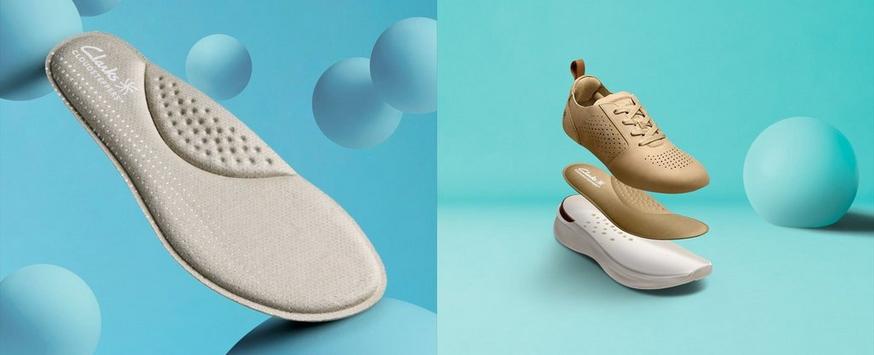
When deciding what to look for in comfortable shoes, begin with cushioning. A footbed should soften repeated contact without feeling so unstable that the foot moves around. More cushioning is not automatically better. The useful amount is the one that stays comfortable, keeps the heel secure and works with the way you move.
Comfort ranges such as Cloudsteppers™ are designed around lightweight construction and cushioning, but the range name is not a substitute for trying the shoe. Check whether the shape suits your foot, whether the fastening can be adjusted and whether the cushioning still feels balanced when you walk.
Next, check the sole. It should flex where your foot naturally bends rather than folding in the middle or staying rigid from heel to toe. A curved WaveWalk™ sole propels natural walking movement, reducing foot fatigue. Treat a named technology as one part of the decision, then check the whole shoe for weight, grip and fit.
Upper material affects how the shoe feels across a long day. Leather can adapt with wear, but it should not begin with sharp pressure or painful rubbing. Textile and mesh panels can increase airflow in suitable styles. Whatever the material, the upper should hold the foot without squeezing it and should suit the weather and surfaces you expect.
Weight matters more after several hours than it does in a brief try-on. A heavy shoe may be appropriate for some outdoor settings, but it can feel tiring when the day involves repeated stairs or long indoor distances. Compare pairs on both feet and walk for more than a few steps before deciding.
Heel height changes the way pressure is distributed. For long periods on your feet, many people prefer a stable, moderate base rather than a narrow or very high heel. The back of the shoe should hold the heel without digging in, and the toe area should allow natural movement.
Fastening is part of comfort. Laces, straps and adjustable closures can help fine-tune the fit as feet feel fuller later in the day. Slip-on shoes still need to hold securely without gripping at the toes. If the foot moves with every step, the shoe is doing less work than it appears to.
Getting the Fit Right
Try shoes at a time when your feet reflect their usual daily size, often later in the day. Wear the socks or hosiery you expect to use, and check both feet because one may be longer or wider. Choose for the larger foot, then make sure the smaller foot remains secure.
There should be room for the toes to move without the foot sliding forward. Check the widest part of the foot as carefully as the length. Pressure at the sides is not solved reliably by buying a much longer shoe, because extra length can create heel movement while the shape still feels narrow.
Walk on a firm surface and notice whether your stride changes. The heel should remain controlled, the upper should not crease into a pressure point and the fastening should not need to be pulled to its limit. A shoe can feel soft yet still fit poorly, so separate the feel of the materials from the security of the fit.
New shoes may feel firmer than a worn pair, especially in leather, but they should not feel painful. If you are wondering how to break in leather shoes, begin with short indoor wear on a clean surface and check for pressure or rubbing. Leather can soften around a good fit. It cannot correct a shape or size that is wrong for your foot.
Does Arch Support Actually Help?
Arch support can change how pressure feels under the foot and may help some people feel more stable. It does not have one universal height or shape, and a pronounced support that suits one person may feel intrusive to another. The useful question is not whether a shoe has the most support, but whether the support works with your foot and remains comfortable over time.
Try the shoes on both feet and walk. The support should feel present without creating a hard pressure point. If an insole lifts your heel too high or crowds the upper, it may change the fit of the whole shoe. Removable insoles can offer flexibility, but any replacement needs enough internal space.
Footwear is not a treatment for persistent pain. If pain continues, is severe or comes with swelling, numbness or a change in the way you walk, speak to a GP or registered podiatrist. They can assess the person rather than making a decision from the shoe alone.
Stopping New Shoes From Rubbing
Rubbing happens when skin and material move repeatedly against each other. Common areas include the heel, the sides of the toes and the edge of a strap. Moisture, loose fit and a stiff seam can increase friction, but the cause needs checking before you add a pad or keep wearing the pair.
To learn how to stop new shoes rubbing, fasten them as intended and identify where the movement begins. A heel that lifts may need a different size, width or shoe shape. A strap that cuts across the foot may need adjustment or another design. Do not use thicker socks to force a tight shoe to work if that creates more pressure elsewhere.
Wear the pair indoors for a short period before a long day. This confirms the fit while the soles remain clean enough for a return under the retailer’s policy. Stop if you feel sharp pressure, repeated slipping or a hot spot that builds quickly. A small amount of material softening is different from waiting for pain to disappear.
Different Kinds of Long Day
Standing in one place usually makes cushioning, stable contact and small movement breaks especially important. A secure shoe with a broad, stable base can feel more dependable than a pair that lets the foot roll or slide. Adjustability helps when feet feel fuller later in a shift. Where the setting allows, trainers can give that stable base with more cushioning.
Walking and sightseeing place more emphasis on sole flex, weight and grip. The most comfortable shoes for walking all day should move with your stride and stay secure on changing surfaces. Start with shorter walks in a new pair before relying on it for a full itinerary. Walking trainers are built around that mix of flex, grip and cushioning.
A full day of events may need a pair that can move between settings. Men's smart shoes can suit formal parts of the day when the fit and cushioning work for extended wear. The men's smart-casual summer edit also shows how smarter and more relaxed choices can share a wardrobe without turning comfort into an afterthought.
Keeping Shoes Comfortable Over Time
Rotate pairs where possible, loosen fastenings and let damp shoes dry at room temperature. Use suitable shoe care products for the upper material, and check soles for lost grip or uneven wear.
Our repair and resole guide covers professional options. When comparing replacements, browse women's comfortable shoes or men's comfortable shoes and choose for the kind of day you need to cover.
When to Get Help?
Footwear adjustments are not the right answer for every symptom. Speak to a GP or registered podiatrist if pain is persistent or severe, if swelling does not settle, if you experience numbness or if discomfort changes the way you walk. Seek prompt medical advice for sudden or significant symptoms.
Take notes about when the discomfort appears, what surfaces you use and which shoes make it better or worse. That information can help a professional understand the pattern. Avoid self-diagnosing from a product description or assuming that one support feature will suit every cause of pain.
FAQs about Shoes for Long Days
How do I stop my feet hurting when I stand all day?
Use shoes that fit in length and width, keep the heel secure and give stable cushioning for your setting. Change position and take brief movement breaks when possible. Persistent or severe pain should be discussed with a GP or registered podiatrist.
What should I look for in shoes for standing all day?
Look for a secure fit, balanced cushioning, a stable sole, suitable grip and an adjustable fastening where possible. The upper should not create pressure, and the shoe should remain comfortable when you walk as well as when you stand.
Does arch support help with foot pain?
Arch support can feel helpful for some people, but there is no single shape that suits every foot. It should not create a hard pressure point or change the fit negatively. Ongoing pain needs professional assessment rather than a footwear claim.
How do I stop new shoes rubbing?
Check whether the rubbing comes from slipping, pressure or a stiff edge. Wear the shoes briefly indoors, fasten them correctly and stop if a hot spot develops. A shoe that repeatedly rubs may need a different size, width or shape.
How long does it take to break in leather shoes?
Leather may soften over several short wears, but a new pair should not need a painful break-in period. Start with brief indoor wear and check the fit. Pressure, pinching or repeated heel movement suggests the shoe may not be right.
Should new shoes feel tight at first?
New shoes should feel secure, not tight. Toes need room to move, the upper should not press across the foot and the heel should stay controlled. Do not rely on discomfort disappearing after prolonged wear.
When should I see a podiatrist about foot pain?
See a registered podiatrist or speak to a GP when foot pain is persistent, severe or affects the way you walk. Swelling, numbness or a sudden change also needs professional advice. Footwear guidance cannot diagnose the cause.