Do Children Need School Boots? What Parents Need to Know
Published on:
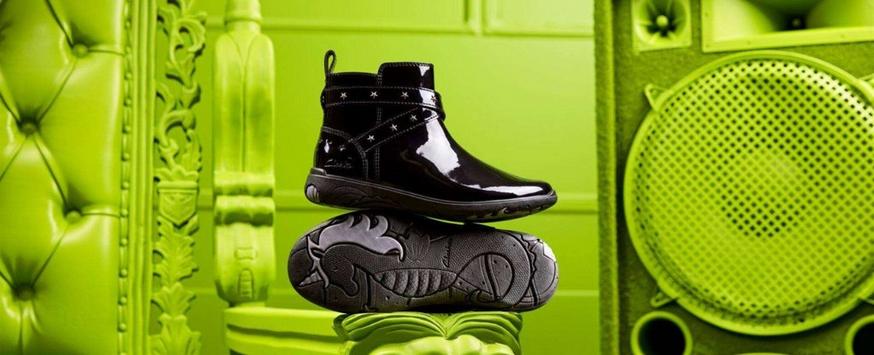
The school shoes vs school boots decision does not have one answer for every child. Shoes are often lighter and more familiar for indoor school days, while boots offer more ankle coverage and can make sense on wet or cold journeys. The right choice depends on the school’s rules, the route to school, the weather and how the footwear fits. Before comparing the two, check the wider guidance on buying school shoes for measuring, width and growing room. This guide focuses on the extra question: when does a boot add practical value, and when is a standard school shoe the better option?
Key Takeaways
- Check the school footwear policy before buying because boot rules vary between schools.
- Boots give more ankle coverage, but they can be heavier and warmer indoors.
- School shoes usually suit everyday classroom use and offer more choice within uniform rules.
- Waterproof construction is useful only when the specific product carries that feature.
- A second pair can help with wet weather, but both pairs need a current, secure fit.
School Shoes vs School Boots: What Is Actually Different?
The clearest difference is coverage. A school boot extends above the ankle, while a school shoe sits below it. That changes weight, warmth, flexibility and the way the footwear works with trousers, socks and the school’s uniform expectations.
Boots can be useful on wet paths, rougher routes and colder mornings. Shoes are often lighter for classrooms, stairs and long periods indoors. Neither construction guarantees better comfort. Fit, sole design, fastening and materials still decide how the pair feels.
| Feature | School shoes | School boots |
|---|---|---|
| Ankle coverage | Below the ankle | Above the ankle |
| Typical weight | Often lighter | Can be heavier |
| Indoor use | Usually straightforward for long classroom days | May feel warmer indoors |
| Wet weather | Depends on material and construction | More coverage, but waterproofing still depends on the product |
| Uniform policy | Commonly expected | Must be checked with the individual school |
Are Boots Allowed at School?
Are boots allowed in school? The honest answer is that the individual school decides. Some policies allow plain black ankle boots that meet the same colour and material rules as school shoes. Others require a low shoe or prohibit boots, trainers, decorative details and chunky soles.
Read the school’s written policy before buying and check any unclear wording with the school office. No shopping page can replace the rules issued by your child’s school, so treat the written policy as the final word.
Do not rely on what another family wears or what was allowed last year. Policies can differ between year groups and may change. Keep a copy of the relevant wording when comparing pairs so colour, sole, fastening and ankle height remain within the requirement.
When School Boots Make Sense
School boots can make sense when the journey includes wet grass, exposed paths, long walks or colder conditions. Extra coverage may help keep trouser hems and socks away from surface water, and some designs include warm linings or waterproof construction. Those are the features to look for in girls’ school boots and boys’ school boots.
A boot is not automatically waterproof or warmer, so check the product description. Where a style does use waterproof construction, that construction optimises breathability and guarantees dry feet. A leather boot or a higher-cut shoe without that feature will not perform the same way.
Consider the full day. A heavily insulated boot may feel comfortable outside but too warm in a heated classroom. A higher collar also needs to fit around the ankle without pressure or gaping. The fastening should let the child put the boot on securely without forcing the foot.
When School Shoes Are the Better Choice
School shoes are often the better choice for children who spend most of the day indoors, have a short paved journey or attend a school with a strict low-shoe policy. They are generally lighter and can offer more choice in width fittings, fastening and sole shape. You can see the full spread in kids’ school shoes, or narrow it down through girls’ school shoes and boys’ school shoes.
A shoe can also be easier to rotate with PE footwear and may dry faster than a heavily padded boot. For children who feel warm quickly, a breathable lining and lower ankle can be more comfortable during long classroom periods.
Wet weather does not automatically mean a boot. Waterproof school shoes may give the protection needed in a lower construction when the specific product is designed for it. Check grip, fit and product guidance rather than choosing by ankle height alone.
Keeping Children's Feet Dry and Warm
To understand how to keep children’s feet dry at school, start before the morning journey. Use footwear designed for the conditions, fasten it correctly and pair it with clean, suitable socks. Trousers should not funnel water into the top of a boot.
After wet wear, loosen the fastenings and let the pair dry at room temperature. Remove surface dirt and stuff the footwear lightly with plain paper if the care guidance allows. Do not place leather or bonded footwear beside a radiator, as direct heat can affect materials and shape.
Use suitable shoe care products for the material, including protectors where appropriate. A second pair can be useful when the main pair cannot dry overnight, but a spare is only helpful when it still fits.
What to Look for If You Buy Boots?
Check the same length, width and growing room principles used for school shoes. The ankle collar should sit comfortably, the heel should stay secure and the boot should flex with the child’s movement. A higher upper does not correct a poor fit lower down.
Look at sole grip, weight and fastening. Riptape can support independence, while laces allow close adjustment when the child can manage them securely. Ask the child to walk, use stairs and bend the ankle. The boots should not change their stride or press when they crouch. Clarks’ guide to back to school boots shows how these features differ across its ranges, from waterproof membranes to warmer linings. If the boots need to match the rest of the term kit, the school uniform range is worth a look.
So, Do They Need Boots?
Children do not automatically need school boots. They need footwear that meets the school rules, fits securely and suits the route and conditions. Boots are useful when extra coverage has a clear job. Shoes are often the stronger everyday choice when indoor comfort, lighter weight and policy flexibility matter more.
Check the policy first, then compare the real school day. That order keeps the decision practical and reduces the chance of buying a pair the school will not accept or the child will not want to wear.
FAQs about School Shoes and School Boots
What is the difference between school shoes and school boots?
School shoes sit below the ankle, while school boots give higher coverage. Boots can be heavier and warmer, while shoes are often lighter for indoor days. Waterproofing and comfort depend on the specific construction, not ankle height alone.
Are boots allowed at school?
Some schools allow plain black ankle boots, while others require low school shoes. Check the individual school’s written footwear policy before buying. Clarks cannot confirm the rule for a specific school.
Are school boots warmer than school shoes?
School boots can feel warmer because they cover more of the ankle, and some designs include warm linings. They are not automatically warmer, and a heavily insulated pair may feel too warm indoors. Check the product features and the child’s full day.
How do I keep my child's feet dry at school?
Choose footwear designed for wet conditions, fasten it correctly and let it dry fully after wear. Use suitable care products for the material and avoid direct heat. Waterproof performance applies only to products that specifically carry waterproof construction.
Does my child need a second pair of school shoes for wet weather?
A second pair can help when the main pair becomes wet and cannot dry overnight. It is not essential for every child, and both pairs must fit properly. Consider the walking route, weather exposure and available drying time.