From the Strand to Real Life: Making LFW Trends Work for You
Published on:
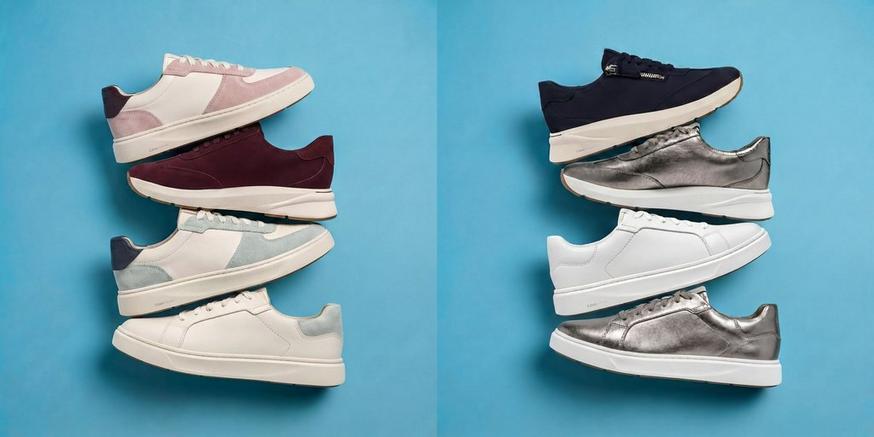
Runway footwear is designed to make you look twice. Real-life footwear has a different job. It needs to work when you are walking to the station, standing in a queue, crossing wet pavements or getting through a full day without thinking about your shoes every ten minutes.
That does not make the shoe trends 2026 has delivered irrelevant. It just means the useful question is not whether you can copy a runway look exactly. It is whether the shape, proportion or finish behind it can work with the clothes you already own and the way you actually move. The shapes coming off the London Fashion Week SS27 schedule are a useful starting point, as long as you treat them as directions rather than instructions.
Key Takeaways
- The most useful footwear trends are shapes and proportions that can work with clothes you already wear.
- Chunkier loafers sit best with straight trousers, denim and skirts when the hem leaves enough room around the shoe.
- Flats need more than a low profile to work all day, so fit, sole construction and how securely the shoe holds the foot still matter.
- Taller boots are all about proportion, especially where the shaft meets the calf and where the clothing hem finishes.
- A stronger colour or finish is easiest to wear when the rest of the outfit stays familiar.
Why Runway Footwear Looks Unwearable, and Mostly Is Not
On a runway, proportion is often pushed further because every detail needs to read at a distance. Toes become squarer, soles deeper, boots taller and colours stronger.
When those ideas move into everyday footwear, the volume usually comes down. A square toe becomes easier to wear when there is enough room across the front of the foot. A block heel becomes more practical when the base feels stable. A taller boot works when the shaft fits comfortably rather than simply creating a strong line.
That is the useful part of trend watching. Ignore the styling around the shoe for a moment and look at the shape itself. Then ask whether that shape solves anything in your wardrobe or simply creates another pair you will struggle to wear.
Trend One: The Loafer, Chunkier and Squarer
The loafer keeps moving away from the narrow, very polished version people often associate with formal dressing. A stronger sole and squarer front give the familiar slip-on shape more presence.
For anyone wondering how to wear loafers without making an outfit feel too formal, start with the clothes you would normally wear with trainers or ankle boots. Straight denim, relaxed trousers and a simple knit give a chunkier loafer enough space to do something different without changing the whole outfit.
With tailoring, keep the trouser hem clean. A straight or slightly wider leg can fall towards the top of the shoe, while a cropped trouser leaves the shape visible. Avoid excess fabric collecting over a deeper sole.
A loafers outfit can work just as easily with a skirt. A midi hem gives the shoe some breathing room, while a shorter skirt with socks or tights makes the loafer more prominent.
If you prefer a no-sock look, the shoe still needs to hold securely. If it slips at the heel as you walk, styling will not fix the fit. When browsing loafers, pay attention to the toe shape too. A squarer front should still leave comfortable room rather than pressing the toes into a narrower internal shape.
Trend Two: The Flat, Taken Seriously
The flat is no longer only the shoe you change into after wearing something higher. Ballet-inspired shapes and strap-front flats can take a more deliberate role in an outfit.
The appeal is easy to understand. A low profile works naturally with wide trousers, straight denim, skirts and dresses, and it can soften heavier autumn layers without disappearing underneath them.
If you are working out how to wear ballet flats, try them first with something structured above. A wider trouser, a heavier knit or a jacket gives the lighter shoe more contrast. With skirts and dresses, look at where the hem ends rather than trying to match one specific length.
Mary Jane-inspired shapes add a visible strap across the foot, which changes the balance slightly. That detail carries more when the rest of the outfit is simple.
Practicality still comes down to more than heel height. A flat needs to stay secure when you walk. The sole needs enough structure for the day you have planned, and the upper should hold the foot without requiring you to grip with your toes.
That is worth remembering when comparing flat shoes. A shoe being low to the ground does not automatically make it the right pair for several hours on your feet.
Trend Three: The Taller Boot
Boots are moving higher again, with mid-calf and knee-length shapes changing the balance of skirts, dresses and trousers.
If you are deciding how to wear knee high boots, start with the shaft rather than the heel. The boot needs to sit comfortably around the calf and leave enough room for natural movement. A strong silhouette loses its appeal quickly if the shaft presses when you walk or sit.
With midi skirts and dresses, the hem can either overlap the top of the boot or leave a deliberate section of leg visible. The least successful result is often a small, accidental-looking gap created because neither length was considered in relation to the other.
Shorter skirts make more of the boot visible, which lets the shaft become a larger part of the outfit. Longer dresses can work too, provided the fabric moves freely over the boot rather than catching against it.
With trousers, the easiest route is usually a cut designed to sit over the shaft. Trying to force a wider boot underneath a narrow trouser can create bunching and change the line of both pieces.
The knee high boots for women category gives you different shaft and heel proportions to compare. If a shorter ankle shape suits your wardrobe better, our guide on how to style Chelsea boots covers that silhouette separately.
Trend Four: Colour and Finish
A trend does not always need a new shape. Colour and finish can change a familiar shoe just as effectively.
Deeper reds, brown, olive and other stronger seasonal tones work because they sit close enough to familiar neutrals to be easy to repeat. Instead of building an outfit around the colour, use it where you would normally reach for black or brown and see whether the rest of the wardrobe already supports it.
A coloured loafer, for example, can sit with navy trousers and a grey knit without requiring another matching piece. A stronger boot can work with denim, black or neutral layers and remain the only prominent colour in the outfit.
Finishing makes a difference too. Polished leather catches more light and can sharpen a simple shape. Suede absorbs light and gives the same silhouette a softer surface.
If you are considering suede boots, think beyond the first outfit. A colour or texture earns its place when it works with several pieces you already own rather than one look created specifically around it.
Three Trends You Can Skip
Not every runway idea needs translating. Three directions are worth leaving on the schedule.
- The very deep lug or platform sole. It reads well standing still and photographs even better, but the extra height sits between you and the ground. Stairs, kerbs and wet pavements all become harder to judge, and the weight tells by the end of a commute.
- The extremely elongated square toe. A squarer front is genuinely useful. The exaggerated version adds length in front of the toes rather than room around them, so the shoe catches on steps and the fit feels wrong even in the correct size.
- The sculpted or cut-away heel. A shaped heel can look striking, but a narrow or angled base gives you less to balance on. If the heel is doing something visually interesting rather than structurally sensible, it belongs to the shoot rather than the school run.
The point of translating a trend is to keep the idea and lose the inconvenience.
Making a Trend Pair Last Past the Season
The best version of a trend is usually the one that still makes sense when nobody is calling it a trend anymore.
Start with fit. If the shoe works only because you are prepared to tolerate slipping, pressure or a shape that feels wrong, you are less likely to keep reaching for it.
Then look at how easily it fits into your existing wardrobe. A square-toe loafer in a colour you already wear may last longer in your rotation than a much more extreme version bought to recreate one specific look.
Care matters too. Follow the material guidance, let footwear dry properly between wears and deal with wear before it becomes structural damage. If the upper remains in good condition but the sole or heel needs attention, our repair and resole guide explains when professional repair may be worth considering.
Trends move. A useful shoe does not have to move with every one of them.
FAQs about Shoe Trends and How to Wear Them
Q: What Shoe Trends Are Coming for 2027?
A: The SS27 shows point towards stronger loafer shapes, low-profile flats, taller boots and more noticeable colour and finish. You do not need to adopt every direction. Choose the shapes that work with your existing wardrobe and daily routine.
Q: How Do You Wear Loafers Without Looking Too Formal?
A: Pair them with straight denim, relaxed trousers, knitwear or a skirt rather than treating them only as a tailoring shoe. A chunkier sole or squarer toe can also make the shape feel less formal. Keep the trouser hem clean so it does not bunch over the shoe.
Q: Are Ballet Flats Practical for Everyday Wear?
A: They can be, provided the pair fits securely and the sole suits the amount of walking you plan to do. A low heel alone does not determine comfort or practicality. Check that the shoe holds the foot and does not slip as you move.
Q: What Do You Wear With Knee High Boots?
A: Knee-length boots work particularly well with midi and shorter skirts, dresses and trousers wide enough to sit cleanly over the shaft. Pay attention to where the clothing hem meets the boot. The shaft should also fit comfortably around the calf without restricting movement.
Q: How Do You Make Trend Shoes Last More Than One Season?
A: Choose a version of the trend that works with several things you already own and fits properly from the start. Care for the material according to its guidance and deal with sole or heel wear early. A familiar shape with one updated detail often has more staying power than the most extreme version of a trend.