The Return-to-Office Shoe Edit: Why Autumn Is the Best Time to Upgrade
Published on:
September changes the rhythm of the working week. Summer leave winds down, diaries fill up again and more days involve the commute, meetings and plans after work. At the same time, cooler weather starts asking more from the shoes that got you through spring and summer.
For anyone wondering what to wear to the office now, the answer depends less on one formal rule than it once did. Many workplaces have relaxed since 2020, but relaxed does not mean anything goes. Understanding the smart casual dress code, and where business casual sits alongside it, gives you a much better starting point than simply dividing footwear into smart and casual.
Key Takeaways
- Smart casual allows more flexibility than business casual, but footwear should still look intentional and suitable for the workplace.
- When there is no written dress code, use the people and situations around you to establish the safest level of formality.
- A useful office rotation covers different jobs across the week rather than relying on one pair for every commute, meeting and after-work plan.
- When upgrading, check fit, upper condition, sole construction and lining rather than judging a pair by appearance alone.
- Autumn is a useful point to inspect work footwear because routines become busier and wetter weather puts more demand on shoes.
Smart Casual, Business Casual and Where the Line Sits Now
What is smart casual in a modern office? In practical terms, it means looking considered without dressing as formally as you would for a traditional suit-and-tie workplace. The pieces can feel relaxed, but they still need to look intentional and appropriate for the setting.
For footwear, that can include clean leather shoes, a simple Derby, a slip-on shape, a low boot or a restrained trainer where the workplace allows it. Condition matters. A shoe may belong to the right category but still read as too casual if the sole is heavily worn, the upper has lost its shape or the finish looks neglected.
Business casual usually sits one step closer to formal. Tailored trousers, shirts, knitwear, skirts and dresses tend to lead the outfit, with footwear following the same cleaner direction. A Derby, smart flat, court shoe or structured slip-on usually fits more naturally here than a sports-led trainer.
The distinction is not fixed across every company. A design studio and a financial office may use the same words but interpret them differently. Treat the dress code as a range, then place your footwear at the point that matches the people, meetings and expectations around you.
For smart casual women, that can mean anything from a flat leather shoe with tailored trousers to a low boot with a midi skirt. For men, a Derby, slip-on or restrained boot can cover much of the same ground.
What to Wear to the Office When There Is No Written Dress Code
If nobody has handed you a dress code, read the room before rebuilding your office footwear. Look at what managers, colleagues and client-facing teams wear on ordinary days, not only at formal events.
The safe middle ground is usually footwear that looks clean, secure and deliberate without pushing strongly towards either evening dressing or sportswear. A simple leather shoe, low boot, smart flat or pared-back trainer can all work depending on the workplace.
Pay attention to context within the same company too. A normal desk day may give you more flexibility than a client presentation. If your calendar changes from day to day, choosing footwear that can move between those settings is more useful than dressing for the most casual hour.
What reads as too casual often comes down to condition and construction rather than one forbidden shape. Very worn soles, frayed uppers, shoes designed clearly for sport or footwear that looks better suited to the beach can pull an otherwise work-ready outfit in the wrong direction.
If you are new to the office, start slightly nearer the smarter end of the range. You can adjust once you understand how the workplace actually dresses.
The Week, Covered
You do not need five different versions of the same shoe. A stronger office rotation gives each pair a job.
For formal meetings, choose a pair that sits cleanly with tailoring and keeps its shape through the day. Current men’s smart shoes include Derby and plain-front options such as Banbury Derby and Eldredge Plain, while the women’s smart shoes range includes styles such as Lauryl Lace and Havisham Oak. These are examples of the kind of structured shape that can handle the smarter end of an office week.
Your everyday desk pair can sit slightly further towards smart casual. Look for a shape that works with the trousers, skirt or dress you wear most often, rather than choosing something that only makes sense with one outfit.
For the commute, especially once autumn weather arrives, a boot can give you more coverage without pushing the outfit into weekend territory. A Chelsea boot is the most straightforward option here, and our guide to styling Chelsea boots covers how to wear one across the rest of the week. Current Clarks UK examples include Orinoco3 Lane and Bowburn Top.
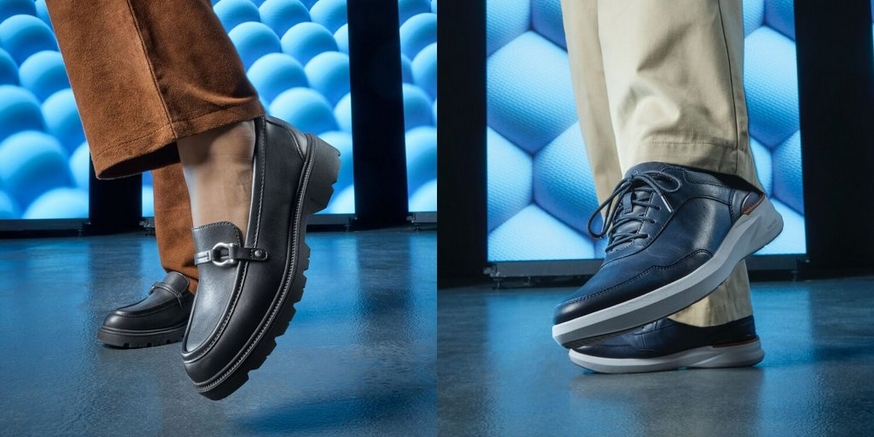
Then there is the less formal end of the week. Loafers can move between tailored trousers, denim where the dress code allows it and softer office separates without feeling like a formal meeting shoe. Current options include Banbury Lo and Orinoco3 Edge.
If your workplace accepts trainers, keep them for the days where the rest of the outfit and diary support that choice. A clean, restrained shape will usually travel further through the working week than something designed primarily for sport.
What to Look for When You Upgrade
Start with the upper. A work shoe spends a lot of time flexing, being caught under desks and moving through commuting weather. Leather can keep a defined shape when it is cared for, but look at the actual pair rather than assuming material alone guarantees longevity.
Check how the upper sits around the forefoot and instep. Creasing is normal where the foot bends. Deep folds that collapse the shape, split surfaces or areas that no longer recover after wear tell you more about the condition of the shoe.
Then turn the pair over. Sole tread should still give you a stable contact with the ground. If one side of the heel has worn much further than the other, or the sole has become very thin in a high-wear area, the shoe may no longer sit as it originally did.
Look inside as well. The heel lining takes repeated friction every time you walk. If it has worn through, folded over or developed a rough edge, that affects how securely the back of the shoe sits.
Fit deserves a full-day mindset. A pair that feels only slightly loose in a five-minute try-on can become much more noticeable over hours of walking, sitting and moving between meetings. Your heel should stay controlled, your toes should have room and the widest part of your foot should sit naturally in the widest part of the shoe.
Comfort is one consideration within that bigger decision, not a separate office dress code. If that is your main concern, the dedicated guide to shoes for long days on your feet covers cushioning, fit and extended wear in more detail.
When a Work Shoe Has Reached the End
Knowing when to replace shoes comes down to separating surface marks from structural wear. A scuff does not automatically end a shoe’s working life. A sole that has lost useful tread or an upper that no longer holds its shape matters more.
Check the heel counter, the firmer area around the back of the shoe. If it has collapsed and the heel no longer feels held in place, the shoe can start moving differently on the foot.
Look for upper creasing that stays deeply folded even after the pair has rested. Leather naturally creases with wear, but a shoe that has lost its overall shape can start to look noticeably tired alongside workwear.
Inside, inspect the heel lining and footbed. Heavy wear in the lining can create rough areas or expose harder parts underneath. If the shoe also feels noticeably different from when you bought it, the issue may have moved beyond appearance.
Finally, check fit again. Feet and footwear both change over time. A pair that has become too loose, too short or difficult to secure is no longer doing the job simply because the upper still looks presentable.
Making It Last
Rotation reduces continuous wear more than anything else you can do. Switching between two work pairs gives each one time to dry and recover between office days.
For structured leather shoes, shoe trees can help support the shape while the pair rests. Brush away surface dirt before it builds up, especially around seams and the edge of the sole.
Protect new footwear before first wear when the product guidance recommends it. The Clarks shoe care guidance covers cleaning, restoring and protecting different materials, including leather and suede.
Do not wait for serious damage before looking at the sole or heel. If the upper still has plenty of life but the lower part of the shoe is wearing down, the repair and resole guide explains when professional repair may make sense.
Autumn does not create a deadline for replacing work shoes. It simply gives you a useful moment to check what will carry you through the working months ahead.
FAQs about Return-to-Office Shoes
What Does Smart Casual Mean for Shoes in an Office?
Smart casual office footwear should look considered without needing to be fully formal. Leather shoes, simple slip-ons, low boots and clean trainers can all fit the brief depending on the workplace. Condition, colour and the rest of the outfit help decide whether a pair feels appropriate.
Are Trainers Acceptable in a Smart Casual Office?
They can be if the workplace allows them. Choose a clean, restrained pair rather than a strongly sports-led design, and consider what else is happening in your diary that day. A client meeting may call for something smarter even when trainers are normal at your desk.
How Many Pairs of Work Shoes Do You Need?
There is no fixed number. Two or three pairs that cover different roles often work better than several shoes doing the same job. Think about your formal meetings, ordinary office days, commute and more relaxed days, then build around the gaps.
How Long Should a Pair of Leather Work Shoes Last?
There is no useful universal lifespan because wear depends on frequency, walking distance, weather, construction, fit and care. Check the sole, heel, upper shape and lining rather than replacing a pair by calendar alone. Rotation and appropriate care can also affect how quickly signs of wear appear.
Can You Wear Boots to the Office?
Yes, if they fit the dress code. A clean ankle boot can work naturally with tailoring, trousers, skirts and dresses, particularly in autumn and winter. In more formal workplaces, keep the shape and detailing restrained.